
Aquarium Carpet Plants: Low-Tech to High-Tech Options
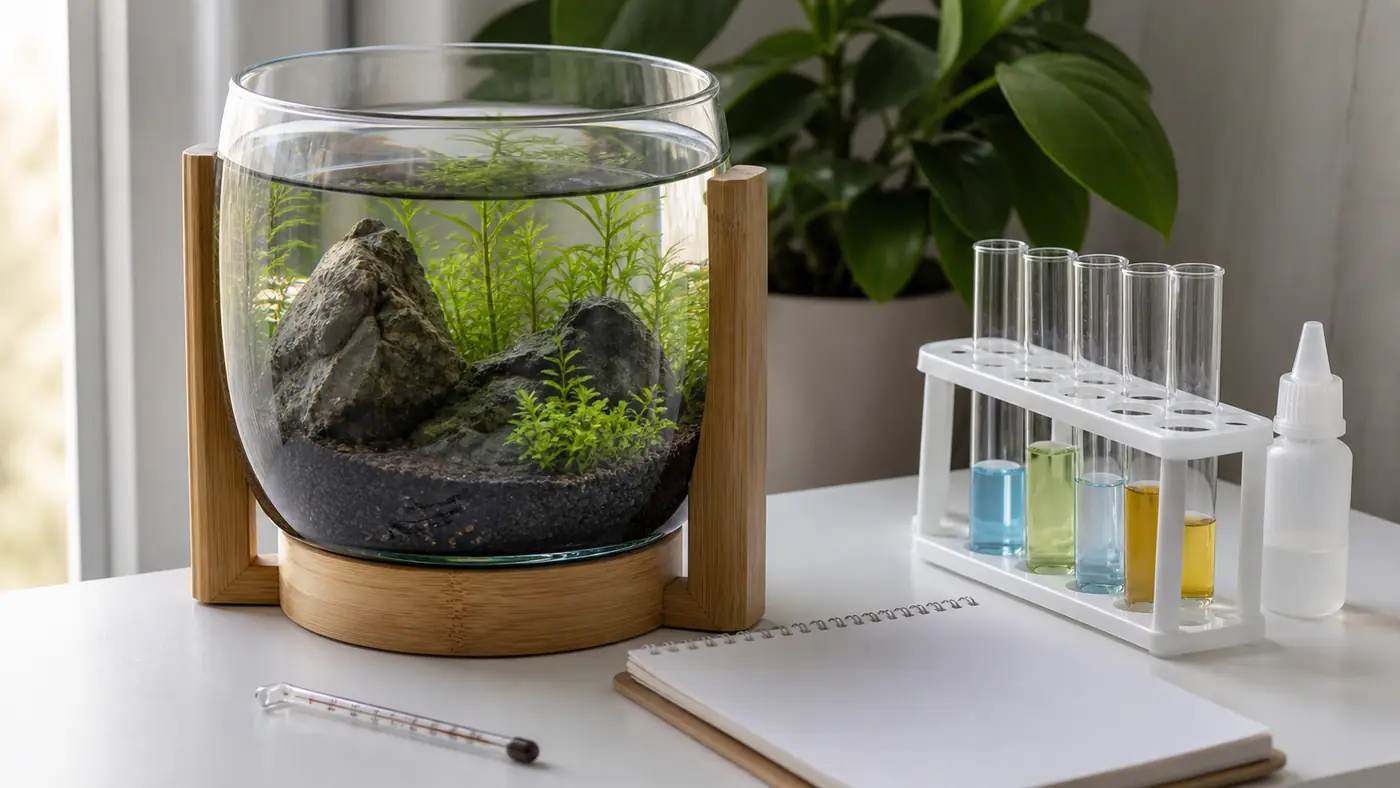
Carpet plants differ sharply in light, carbon, substrate and trimming demand; choose by the complete system rather than the finished photograph.
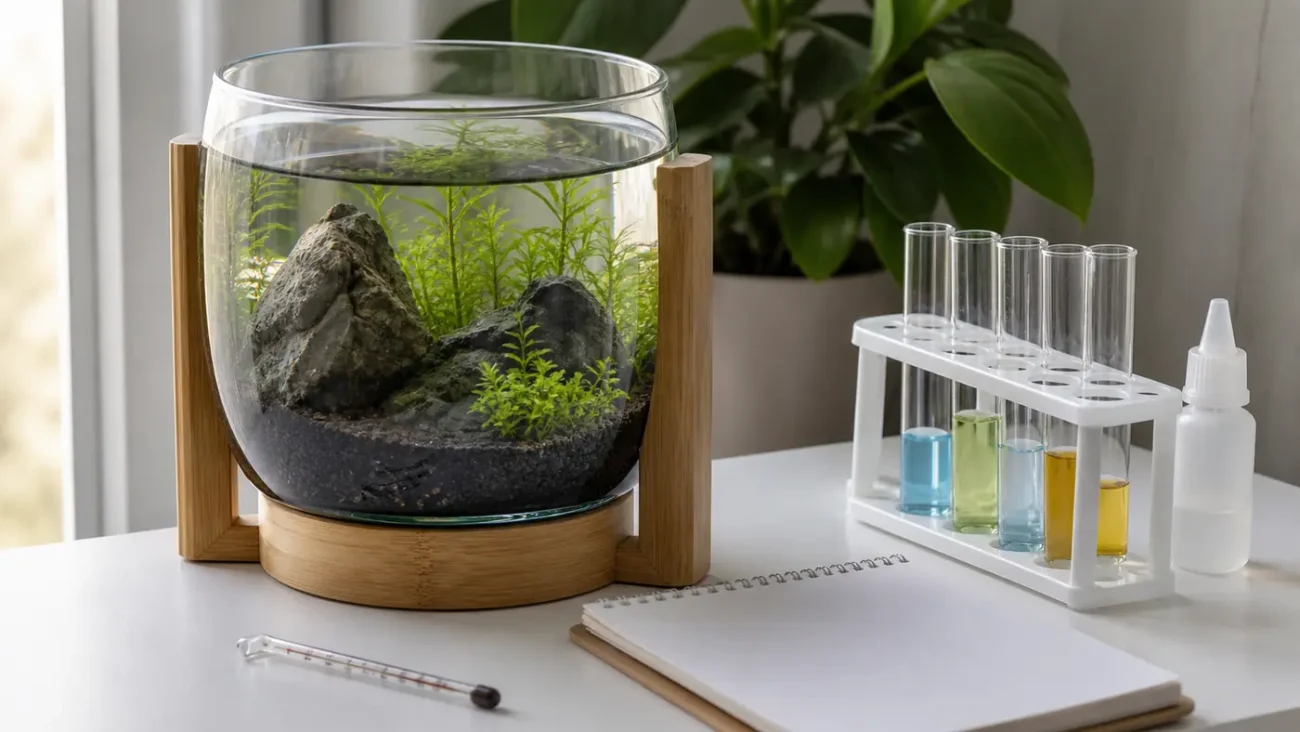
Key takeaways
- Verify the exact species
- Match light and CO₂ demand
- Plant in spaced portions
- Keep the foreground clean
- Plan ongoing trimming
Why this decision matters
Carpeting plants grow close to the substrate where shading, debris and weak circulation can limit them. A species that carpets reliably with injected CO₂ and strong light may grow vertically or thin out in a simpler aquarium.
A planted aquarium is a connected biological and technical system. Tank dimensions, real water volume, room conditions, livestock, plant growth and the time available for care all change what a sensible choice looks like. Use measurements and documented requirements before product features or visual inspiration.
How to choose the right approach
Select the plant after measuring tank depth and confirming substrate, carbon plan and weekly trimming time. Use smaller plugs with space between them, keep them anchored and avoid burying crowns or rhizomes.
Shortlist only options that meet the non-negotiable requirements. Then compare ease of adjustment, replacement parts, service access and the effect on the rest of the system. A choice that looks efficient on its own can still create extra light, flow, nutrient or maintenance demand elsewhere.
Practical setup and evaluation
Begin with moderate light, remove damaged tissue, keep debris from settling and trim only after healthy new growth is established. Evaluate progress over weeks rather than increasing several inputs after a few days.
Set a baseline before making a change. Keep a dated record of the relevant settings, water care and visible response, and photograph the same view under the same light. Evaluate healthy new growth and repeated observations instead of one old leaf, one indicator reading or one day of algae.
Common mistakes to avoid
Do not buy a carpet solely from its common name; suppliers may use similar labels for different species. Avoid livestock that repeatedly uproots delicate new planting.
Do not combine several corrections at once. Rapid changes make diagnosis harder and can expose livestock to unstable conditions. When safety, compatibility or a treatment dose is uncertain, stop and follow the exact manufacturer instructions or seek qualified species-specific guidance.
Decision checklist
- Verify the exact species
- Match light and CO₂ demand
- Plant in spaced portions
- Keep the foreground clean
- Plan ongoing trimming
- Confirm dimensions, materials, destination voltage and plug where relevant.
- Record the starting condition and change only one variable.
Frequently asked questions
What should be decided first?
Start with the exact tank, livestock or plant requirements and the manufacturer documentation; do not select from appearance or one headline specification.
How should changes be evaluated?
Keep the rest of the system stable, record the change and judge repeated observations and healthy new growth rather than one isolated symptom.
Can this guide replace the product instructions?
No. Use it to shortlist and plan; installation, dosing, safety and compatibility must follow the exact manufacturer documentation and livestock requirements.
Sources and editorial method
DaraSphere combined manufacturer guidance, current catalogue checks and a compatibility-first editorial review. No fake test results or universal livestock promises are used.
Build a planted aquascape starter kit
Begin with a simple layout foundation, then choose lighting and maintenance tools that match the plants and available space.

Resin Aquarium Landscape Bridge
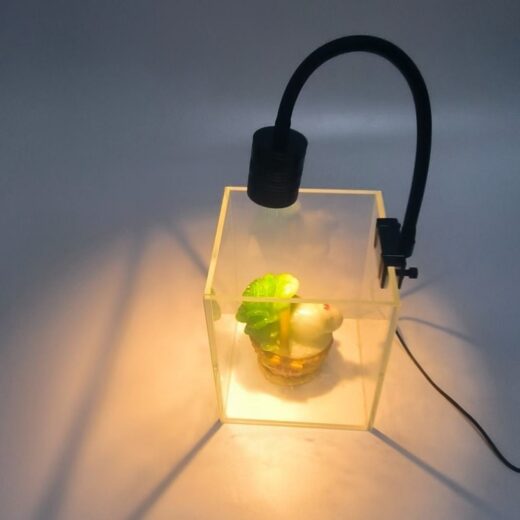
7 W USB Dimmable Aquarium Plant Spotlight with Timer & Clip
This is a curated shopping path, not a one-size-fits-all bundle. Confirm dimensions, compatibility, livestock needs and electrical requirements before ordering.