
Mini Aquarium Bowl Aquascaping: How to Create Depth Without Crowding
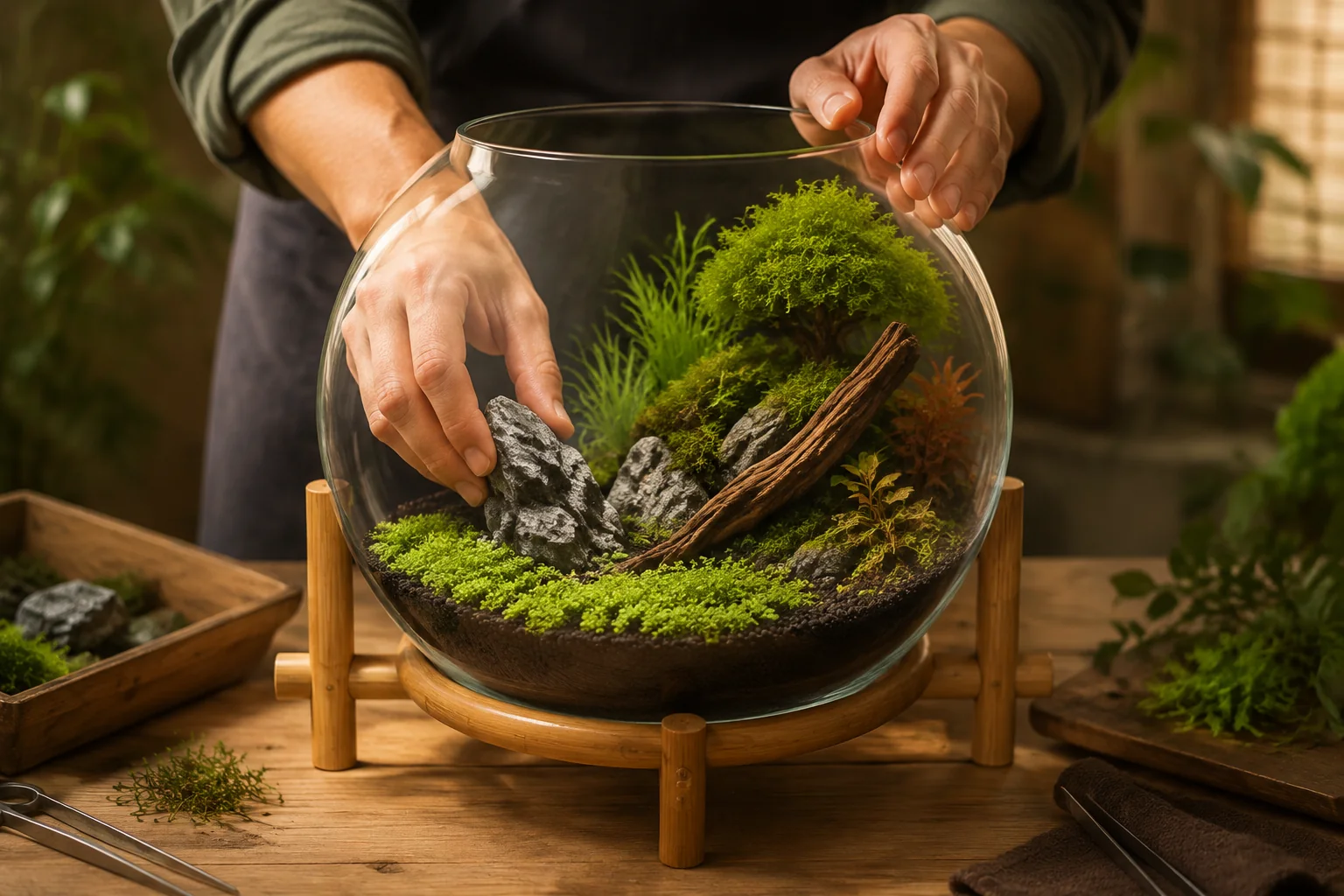
Aquascaping a 10 cm-wide cylinder is an exercise in restraint. A stone that looks modest in your hand may fill half the display, and a thick substrate layer can remove a large percentage of the usable water. (Merck Veterinary Manual: Tank Volume Formulae)
The natural frame of the DaraSphere bamboo glass mini aquarium bowl already acts like a strong visual border. The interior should complement it, not compete with it.
Pick one focal point
Choose a single small stone, branch or compact plant group. Place it slightly off-centre and leave open space around it. Avoid several equal-sized objects, which make the bowl look cluttered.
Work at the bowl’s real scale
Create a cardboard template of the 10 cm × 15 cm internal dimensions. Test hardscape against it before washing or attaching plants. (Merck Veterinary Manual: Tank Volume Formulae)
Calculate gross and usable water volume so the design does not sacrifice most of the water to decoration.
Use a thin substrate intentionally
Deep substrate may suit some planted systems, but here it can dominate the view. Use only the depth required for the chosen plant and layout. Epiphytes attached to hardscape may allow an even thinner layer or decorative sand. (Purdue Extension: Planting Your Aquarium)
Create perspective
Use finer grains and smaller details toward the back. Angle a branch or stone to guide the eye upward. Keep the front glass accessible for cleaning.
The curved glass magnifies and distorts objects, so inspect the dry composition from the normal viewing position before filling. (NIST: Circumference, Area and Volume)
Select two or three materials
A coherent palette might be:
- pale sand, one dark stone and green moss;
- fine dark substrate, a small branch and Anubias;
- rounded pebbles with one emergent plant.
Mixing several stone types, bright gravel and artificial ornaments weakens the natural bamboo aesthetic.
Plant for long-term access
Choose from the best plants for a mini aquarium bowl. Leave enough space to trim leaves and lift hardscape without scraping the glass.
Fill without destroying the layout
Pour dechlorinated water slowly onto a spoon, plastic sheet or small dish. Remove it when the bowl is partly full. Straighten plants with long tweezers and stop below the rim. (Purdue Extension: Planting Your Aquarium)
Photograph and review
Take a phone photograph from desk height. A photo makes crowded areas and awkward angles easier to notice. Adjust the hardscape before plants root or moss attaches.
Maintain the composition
Trim before plants touch every side. Remove loose fragments, wipe algae gently and rotate only if the light source creates uneven growth. Do not move a filled bowl by the bamboo frame. (Purdue Extension: Planting Your Aquarium)
Use the plant-only bowl setup and desktop placement checklist to complete the display safely.
Frequently asked questions
Can I use garden rocks?
Only after they are reliably identified and confirmed safe. Aquarium-sold hardscape reduces uncertainty. (Purdue Extension: Planting Your Aquarium)
Do I need aquasoil?
Not for every layout. Epiphytes can attach to stone or wood. Nutrient substrate should be used only when the plant plan needs it. (Tropica: Planting in the Aquarium)
Can I add a castle or figurine?
Only if the item is aquarium-safe and leaves enough space. In this product, one natural focal object usually works better.
Should I include animals for scale?
No. Use plant leaves, grain size and hardscape proportion to create scale. The container is not an appropriate permanent fish habitat. (RSPCA: Choosing an Aquarium for Pet Fish)
Let empty space do part of the work
Good miniature aquascaping is not about fitting the most material into the smallest bowl. It is about using proportion, direction and negative space to make a tiny scene feel complete.
See the full desktop aquarium bowl guide for care and safety.
Build a planted aquascape starter kit
Begin with a simple layout foundation, then choose lighting and maintenance tools that match the plants and available space.
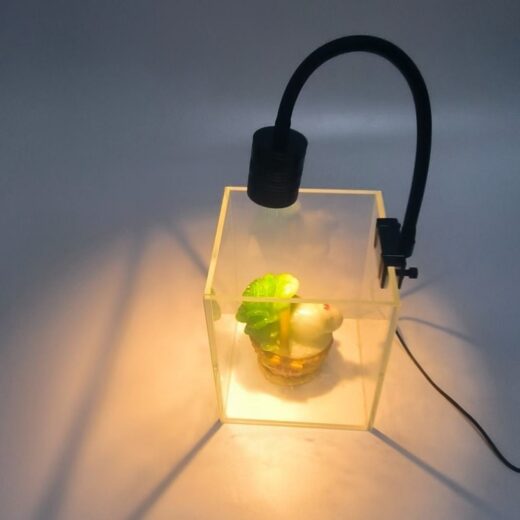
7 W USB Aquarium Plant Spotlight – Standard & Dimmable Models
Products matched to this guide
Selected for relevance to the setup and needs covered above.
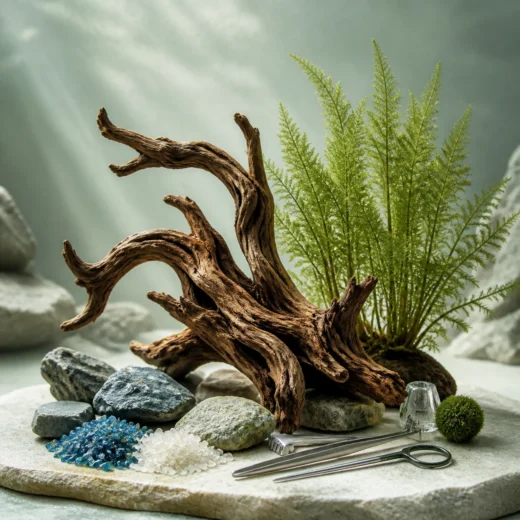
Natural Aquascape Value Bundle
A coordinated hardscape and planting set for an immediate, nature-inspired visual transformation. Shipping calculated at checkout.
View product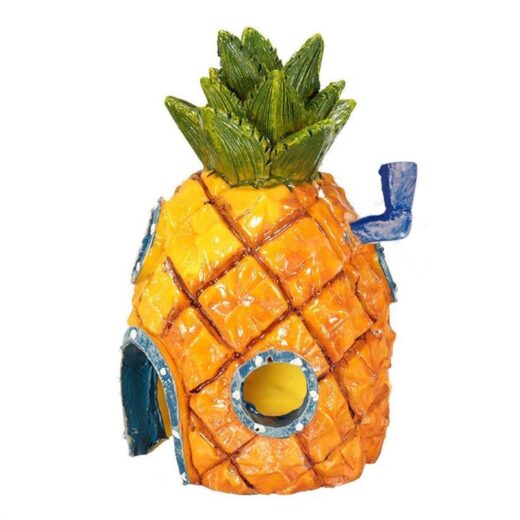
Pineapple House Aquarium Decoration – Resin 13 cm
A playful pineapple-house ornament made from resin. The compact design measures approximately 7.5 × 7.5 ×…
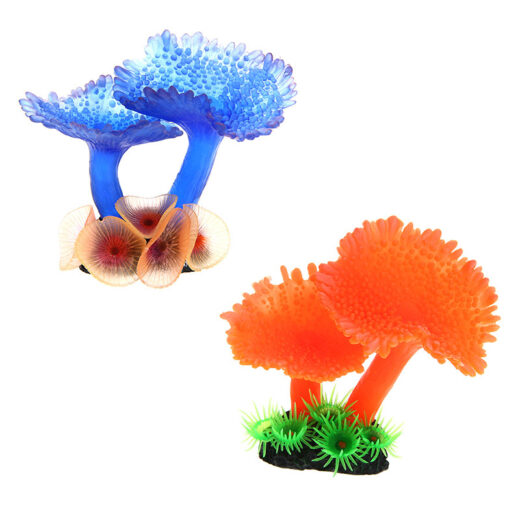
View productArtificial Coral Plant Aquarium Decoration
Artificial coral plant aquarium decoration in blue or orange. A colourful, repositionable accent for planted and…
View product