
First 30 Days of a Planted Aquarium: Evidence-Led Startup Record
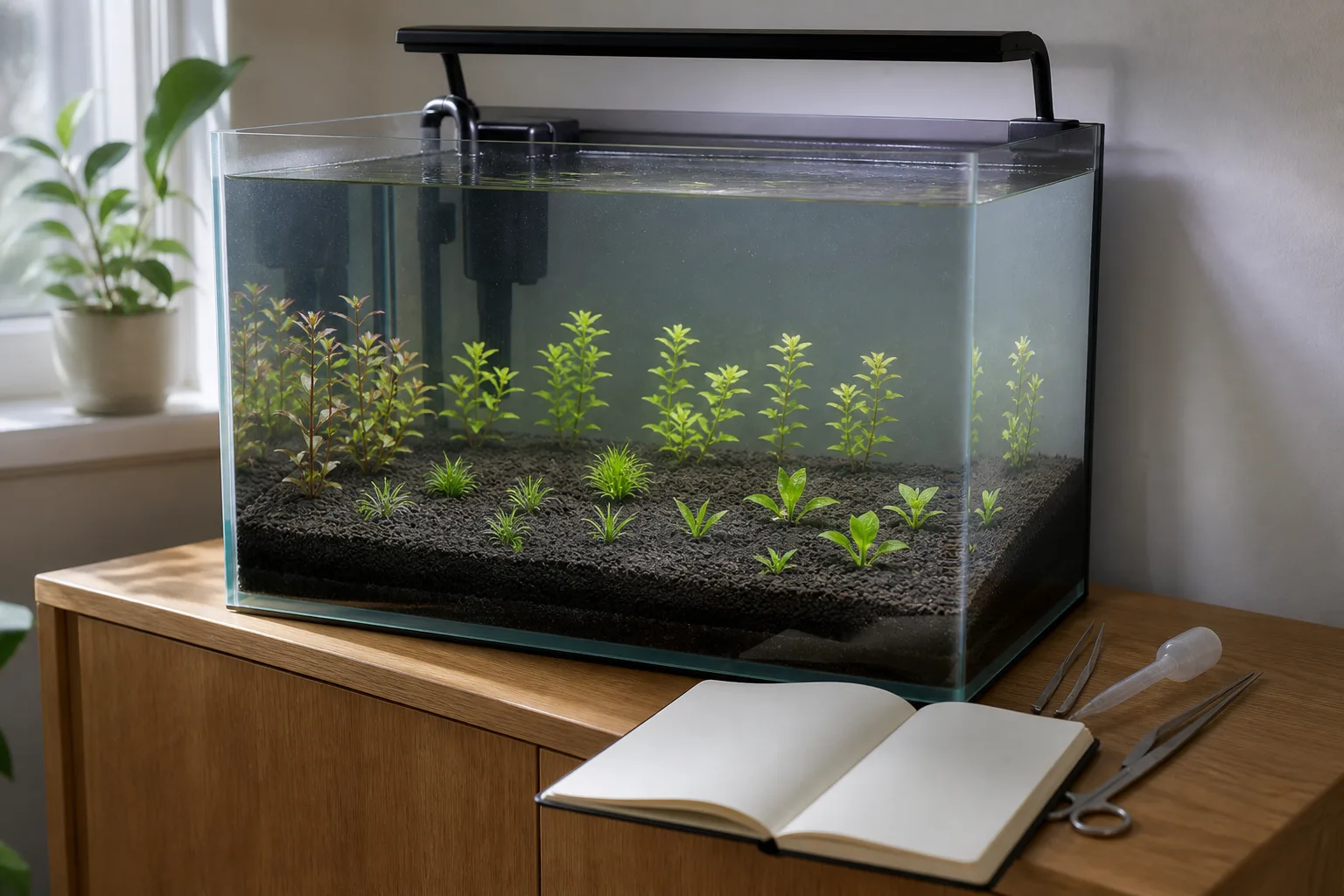
Short answer: use the first 30 days as an observation window, not proof that an aquarium is ready for livestock. Attribute every numeric schedule to the method or product that provides it.
Keep this start-up record beside the aquarium-care reference library for related maintenance and water-quality guidance.
Choose a named start-up method
Tropica describes the first 90 days as critical and advises six hours of light per day for the first two to three weeks before increasing the period. Source: Tropica: Growing-in.
In the same start-up method, Tropica advises changing 25–50% of the water a couple of times a week during the first three to four weeks. Source: Tropica: Growing-in.
Keep livestock readiness evidence-based
OATA explains that ammonia and nitrite rise in a new aquarium and should fall to zero as nitrifying bacteria establish. Source: Ornamental Aquatic Trade Association: How to test water quality in your freshwater tank / aquarium.
Do not add livestock because week four has arrived. Review the test record, the exact species requirements and the condition of the system.
Follow the exact substrate instructions
Tropica states that its Aquarium Soil affects water chemistry and advises 25–50% water changes at least twice weekly for the first four weeks. Source: Tropica: Aquarium Soil.
Week-by-week record
Week 1
Record the exact substrate, lighting method, water-change method and test baseline. Check that the equipment is operating according to its manual.
Week 2
Repeat observations using the same method. Record plant condition and water results without adding unrelated corrections.
Week 3
Compare results with the named method and exact product instructions. Keep livestock timing open.
Week 4
Review the full record. A date does not override unresolved ammonia, nitrite, equipment or species requirements.
Removed maintenance instruction
This draft does not tell readers to rinse filter media in removed tank water or prescribe a universal cleaning method. Follow the exact filter and media manufacturer instructions.
Use observations to decide, not to diagnose
| Observation | Record | Next evidence |
|---|---|---|
| Plant change | Location, date and affected growth | Exact plant care and start-up method |
| Water result | Test, value, date and method | Test instructions and qualified interpretation |
| Equipment issue | Exact model and symptom | Manufacturer manual |
| Substrate question | Exact product | Product start-up instructions |
For a broader pattern-identification and maintenance record, use the aquarium algae and maintenance guide; keep the diagnosis open until the evidence matches.
Failure modes to avoid
- Treating day 30 as proof of biological readiness.
- Combining one brand’s light schedule with another substrate’s instructions without recording the difference.
- Changing several inputs after one observation.
- Using a generic cleaning rule instead of the exact filter manual.
The first-month record is valuable because it makes uncertainty visible. A clean record is a better outcome than a forced “ready” decision.
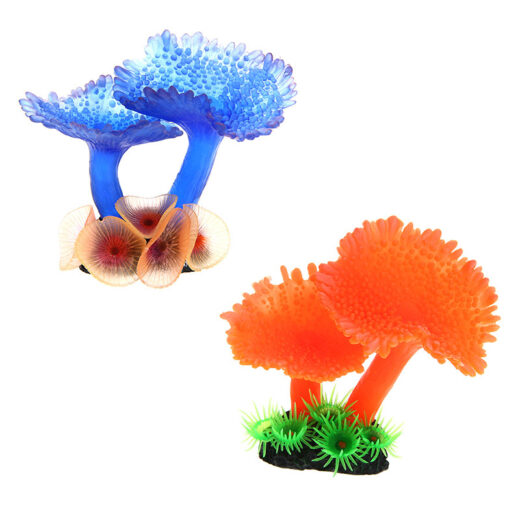
Build a planted aquascape starter kit
Begin with a simple layout foundation, then choose lighting and maintenance tools that match the plants and available space.
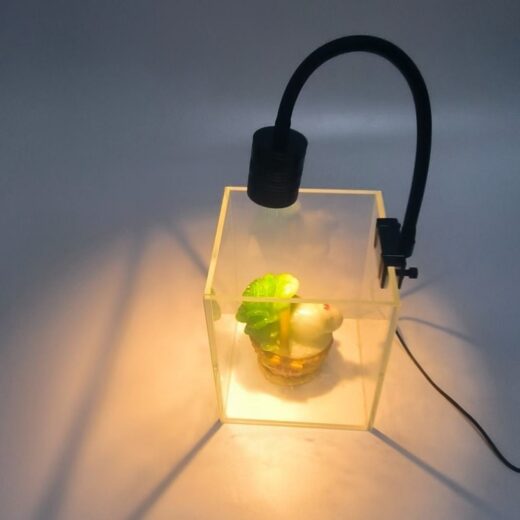
7 W USB Aquarium Plant Spotlight – Standard & Dimmable Models
Products matched to this guide
Selected for relevance to the setup and needs covered above.

Filter Media Cube – Black/Green, Small/Large, 1–3 Pack
Cube-format aquarium filter media in black or green, small or large, with 1-, 2- and 3-piece…
View product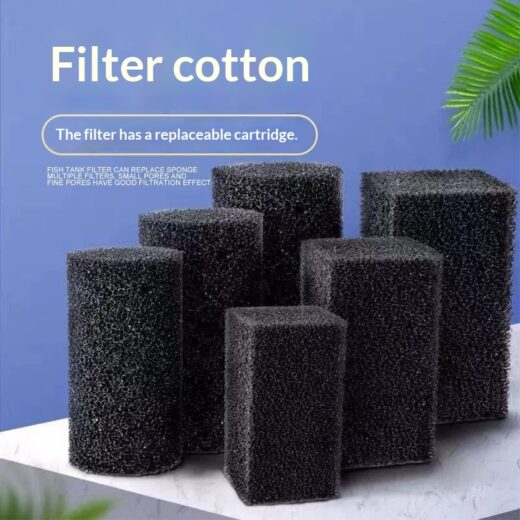
Replacement Aquarium Filter Sponge – 4 W, 6 W & 15 W Models
Refresh your filter media with replacement sponges in round or square shapes. Choose a 4 W,…
View product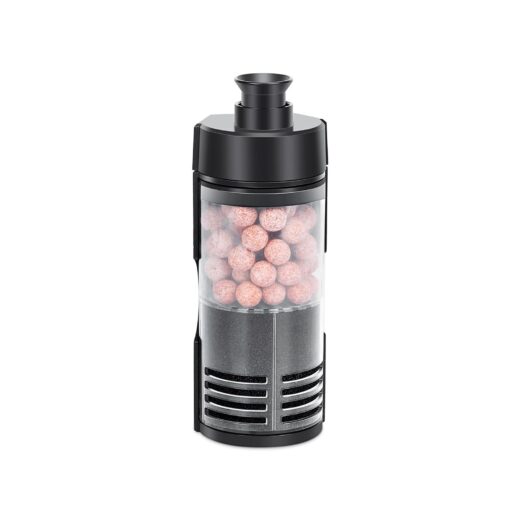
Bio Sponge Filter for Betta, Shrimp & Fry – 2–20 Gallons
Bring sponge and ceramic-media filtration together in a compact, air-driven filter. Choose Small for 2–5-gallon aquariums…
View product