
Aquarium Macro vs Micro Nutrients for Plants
Macro and micro nutrients are categories of plant demand, not instructions to add a particular bottle. Aquatic plants use macronutrients in relatively larger amounts and micronutrients in smaller amounts, but a planted aquarium may already receive both from source water, livestock food, substrate and previous fertilising.
The useful question is not “Which group is more important?” Both are essential. The practical question is which nutrients your plants can access in this aquarium, at this growth rate, without overlapping products or changing several variables at once.
The distinction in practical terms
| Category | Common examples | What to check before adding more |
|---|---|---|
| Macronutrients | Nitrogen, phosphorus and potassium are commonly discussed in planted-aquarium fertilising. | Livestock feeding, water changes, active substrate, plant mass and the guaranteed analysis of every product already used. |
| Micronutrients | Iron and other trace elements are supplied in much smaller quantities in complete fertilisers. | Whether the current product already contains trace elements, its label dose and any manufacturer warnings about combining concentrates. |
The labels “macro” and “micro” describe relative plant requirement; they do not mean that macronutrients are automatically deficient or that trace elements are harmless at any dose. Read the exact formulation and follow its instructions rather than building a plan from the category name alone.
Map the nutrient inputs you already have
Start with a simple inventory. Record the measured aquarium water volume after substrate and hardscape displacement, the volume normally replaced, the source-water context, the substrate type and age, livestock feeding, and every fertiliser or supplement in use. Keep product names and guaranteed analyses together so repeated ingredients are visible.
This map often explains why adding a second “complete” fertiliser is not a clean experiment. Two products may use different marketing language while supplying some of the same nutrients. If the labels do not provide enough information to compare them, do not assume they form a compatible programme.
Choose one coherent dosing route
- Complete water-column fertiliser: useful when its analysis and directions fit the plant collection and the dose can be adjusted consistently.
- Substrate or root-focused feeding: relevant for plants and systems where the manufacturer documents this route, but it does not justify ignoring water-column inputs.
- Separate macro and trace products: offers more control, but also creates more measurements and more ways to overlap ingredients. Use it only when the labels and the reason for separating them are clear.
Whichever route you select, calculate from the real volume specified by the product instructions—not automatically from the aquarium’s advertised capacity. Use proper measuring tools and never mix concentrates together unless the manufacturers explicitly say the products are compatible.
Why leaf symptoms are not a dosing calculator
Pale, damaged, distorted or slow new growth can have several causes. Light level, carbon availability, temperature, flow, planting method, transition from emersed to submerged growth and physical damage can resemble nutrition problems. An old leaf may continue to decline even after conditions improve.
Use symptoms as a prompt to review the system, not as proof of one missing element. Check whether the affected growth is old or new, which species are involved, whether the problem repeats and what changed beforehand. Confirm equipment operation and water-care consistency before adding a targeted supplement.
Make an adjustment you can evaluate
- Photograph the same plant group under the same lighting and record the current routine.
- Keep light, carbon supply, water-change practice and feeding stable where it is safe to do so.
- Follow one documented fertiliser plan at its labelled starting guidance.
- Change only one dosing variable and note the date and measured amount.
- Judge repeated observations and healthy new growth over an appropriate period for the species, not a single day or one damaged leaf.
If livestock behaviour changes, water becomes unexpectedly cloudy, equipment malfunctions or the required dose is uncertain, pause the adjustment. Follow the exact manufacturer guidance and seek qualified aquarium or species-specific help when a response could affect animal welfare.
A label-reading checklist
- Does the product identify the nutrients it supplies?
- Is the dose based on total tank volume or replacement water?
- Does the label state a starting frequency and maximum or adjustment method?
- Are there storage, handling or compatibility warnings?
- Are you already adding any of the same nutrients from another product?
- Can you measure the dose accurately for this aquarium’s real water volume?
Further guidance
Build a planted aquascape starter kit
Begin with a simple layout foundation, then choose lighting and maintenance tools that match the plants and available space.
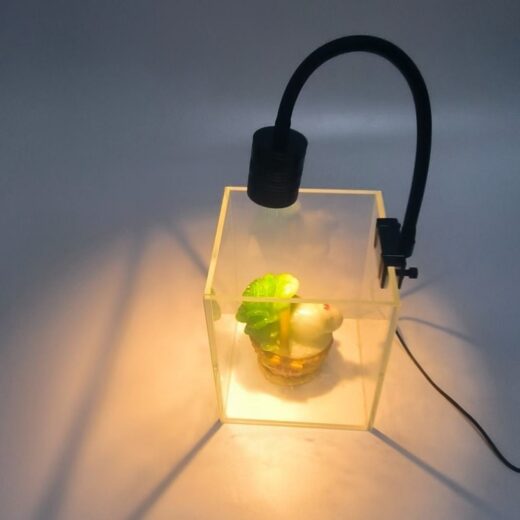
7 W USB Aquarium Plant Spotlight – Standard & Dimmable Models
Products matched to this guide
Selected for relevance to the setup and needs covered above.

Filter Media Cube – Black/Green, Small/Large, 1–3 Pack
Cube-format aquarium filter media in black or green, small or large, with 1-, 2- and 3-piece…
View product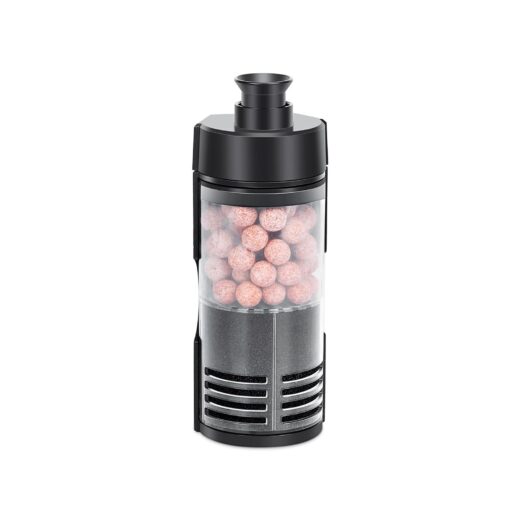
Bio Sponge Filter for Betta, Shrimp & Fry – 2–20 Gallons
Bring sponge and ceramic-media filtration together in a compact, air-driven filter. Choose Small for 2–5-gallon aquariums…
View product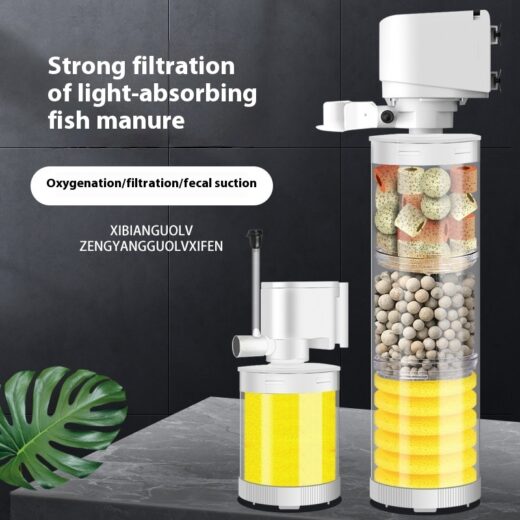
WP-Series Internal Aquarium Filter & Replacement Parts — 5–30 W
This WP-series listing combines complete filter models and replacement-part options. Choose WP1300A 5 W, WP2300A 10…
View product