
How to Use an Aquarium CO2 Drop Checker
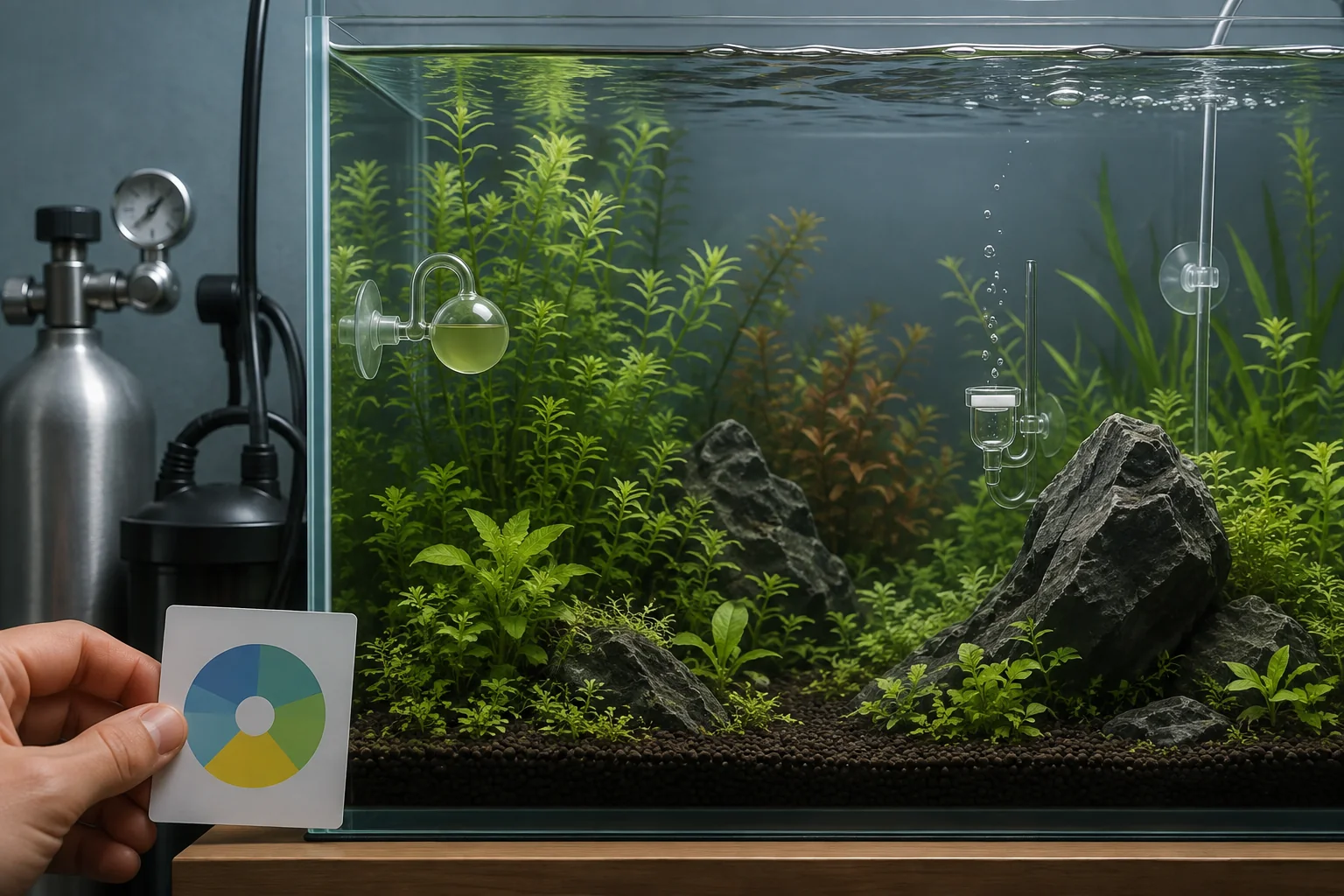
A drop checker is a delayed colour indicator, not a live safety alarm and not a replacement for observing fish, shrimp and system stability.
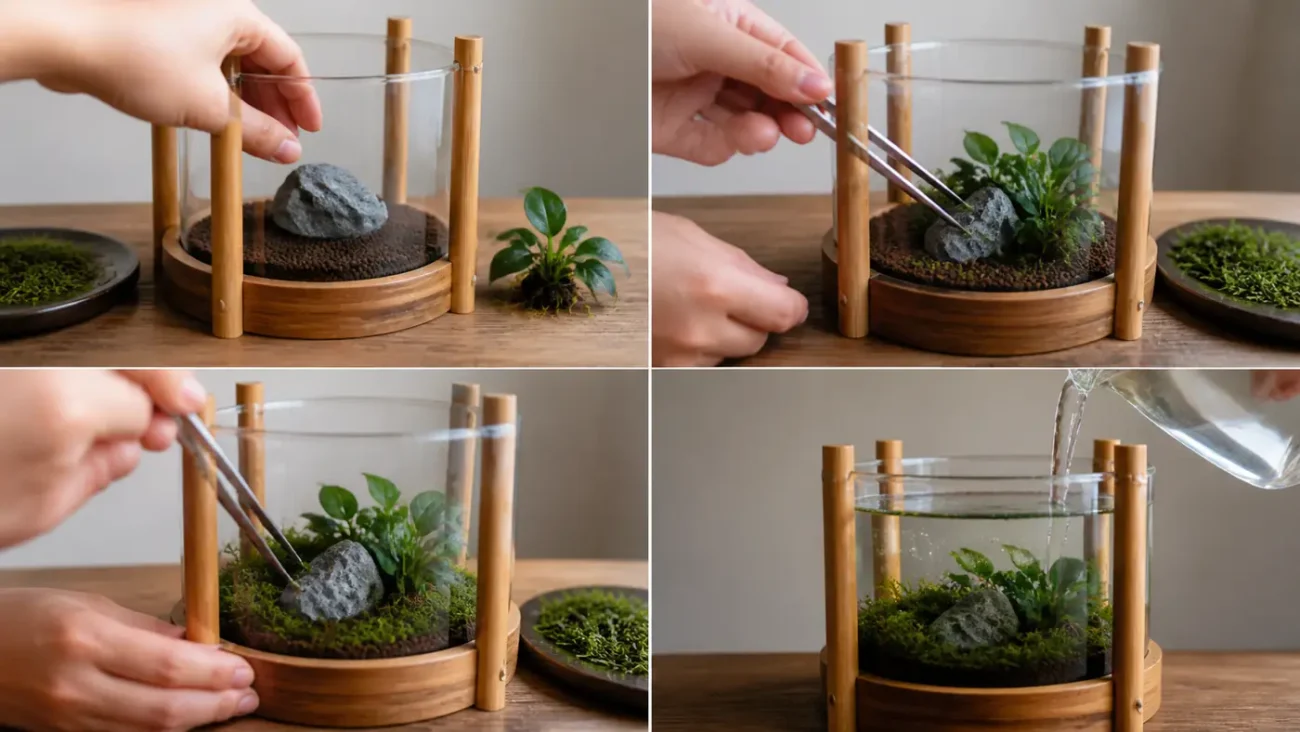
A drop checker holds an air gap between aquarium water and a known indicator solution. Carbon dioxide equilibrates across that gap and changes the indicator colour. Because the process takes time, the colour describes an earlier condition rather than the exact present second.
Different products may require different solution volumes and colour references. Follow the included instructions before using any general target.
Key takeaways
- Use the specified reference solution, not random aquarium water.
- Keep the checker away from direct bubble impact.
- Wait for the documented response time before adjusting.
- Animal distress overrides a desirable colour.
Correct setup sequence
- Clean and rinse the glass checker with water only unless the manufacturer states another method.
- Add the specified amount of reference and indicator solution.
- Invert the checker so the liquid stays inside and an air gap separates it from tank water.
- Mount it on the opposite side or away from the diffuser in representative circulation.
- Record the installation time and compare colour only after the product's stated delay.
| Observation | Interpretation caution | Action |
|---|---|---|
| Blue | May indicate lower CO2 at the earlier response time | Check timing, flow and plant plan before changing output |
| Green | Often used as a middle reference | Still observe animals and consistency |
| Yellow | May indicate a high level | Reduce safely and protect livestock; do not wait for distress |
| No change | Solution, seal, placement or time may be wrong | Recheck setup and expiry before dosing more gas |
Placement is a circulation test
A checker directly above a diffuser may show local exposure that does not represent the rest of the aquarium. One hidden in a stagnant corner can show the opposite problem.
Place it where water movement represents the planted area and use plant response or a second temporary position to investigate uneven distribution.
Adjustment rules
Make small changes, then wait through the full system and indicator response. Keep light, surface movement and CO2 timing stable while evaluating one adjustment.
Tropica's regulated system instructions emphasise careful regulator adjustment and waiting between changes. The exact bubble rate is device- and tank-specific, so a universal bubbles-per-second target is not safe guidance.
What a drop checker cannot tell you
It does not measure oxygen, eliminate regulator failure, confirm uniform distribution or prove that every animal is safe. It can also be misleading if the wrong solution is used or if aquarium water contaminates the chamber.
Maintain surface gas exchange, inspect animals at the beginning and end of the CO2 period and have a clear shut-off response.
Practical checklist
- Read the exact drop-checker instructions.
- Use fresh specified solution.
- Place away from direct bubbles.
- Wait for the full response time.
- Adjust gas gradually.
- Observe livestock and surface activity throughout the lighting period.
Frequently asked questions
Can I fill a drop checker with aquarium water?
Use the reference solution specified by the product. Aquarium water has variable carbonate hardness and can make the colour interpretation unreliable.
How long does a drop checker take to change colour?
It has a substantial delay that varies by design and placement. Follow the product instructions and never make rapid repeated adjustments.
Where should a drop checker be placed?
Away from direct diffuser bubbles in representative circulation, often on the opposite side of the tank, while remaining easy to read.
Sources and editorial method
This guide combines manufacturer documentation, official safety or regulatory guidance where relevant, and DaraSphere catalogue checks. Product availability and specifications can change; verify the current product page before ordering.
Build a practical aquarium maintenance kit
Choose tools that fit the tank material and size, then add filtration support and monitoring for a repeatable care routine.
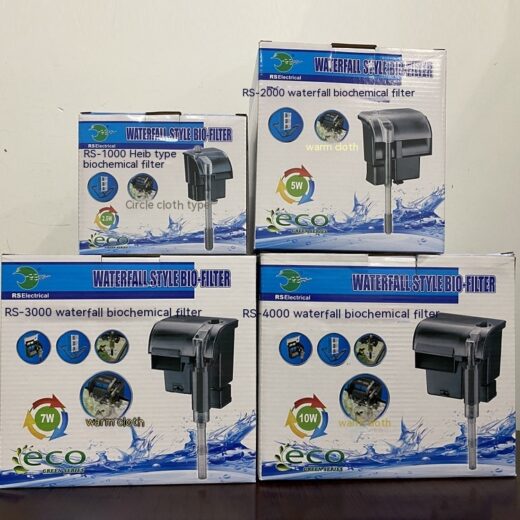
Aquarium Waterfall Bio Filter – RS1000 to RS4000
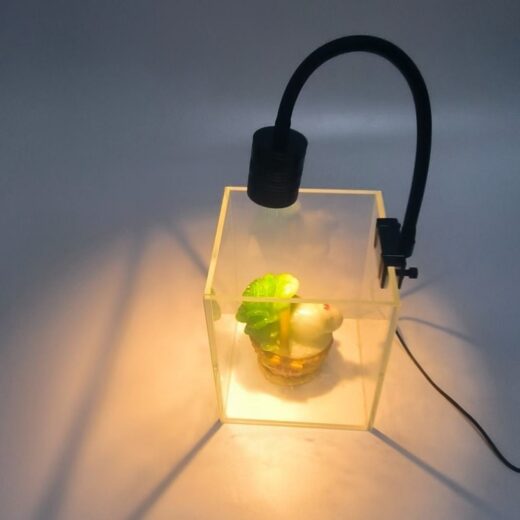
7 W USB Aquarium Plant Spotlight – Standard & Dimmable Models
Products matched to this guide
Selected for relevance to the setup and needs covered above.
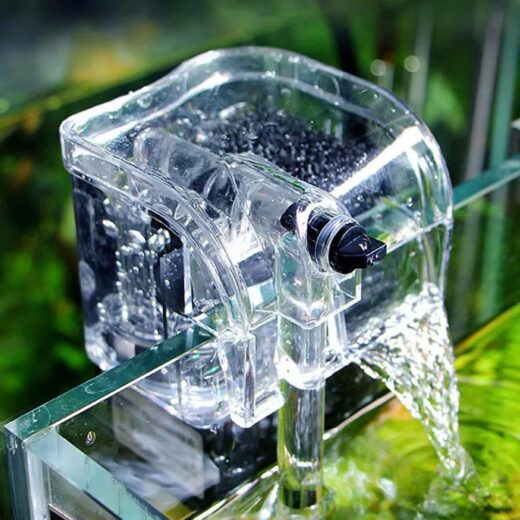
Nano Hang-On Back Aquarium Filter for Betta & Shrimp – 1–5 Gallons
Compact white hang-on-back filter for 1–5 gallon nano tanks, with adjustable flow, aeration and surface skimming.…
View product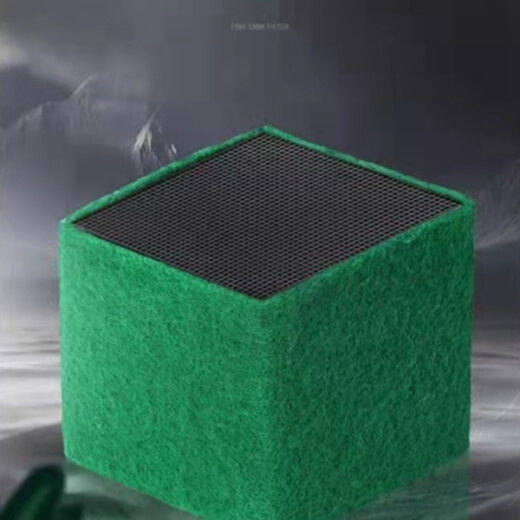
Filter Media Cube – Black/Green, Small/Large, 1–3 Pack
Cube-format aquarium filter media in black or green, small or large, with 1-, 2- and 3-piece…
View product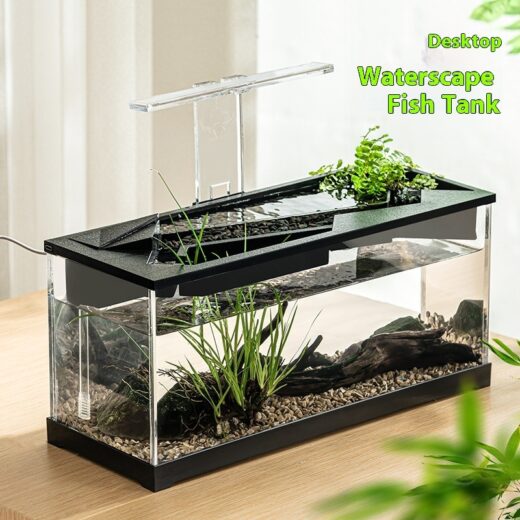
43 cm Acrylic Aquarium Kit – Pump & Light Options
Compact 43 cm acrylic aquarium with five pump, lamp, pad and external-light package options. Select the…
View product