
Diatoms in a New Aquarium: Brown Algae Guide
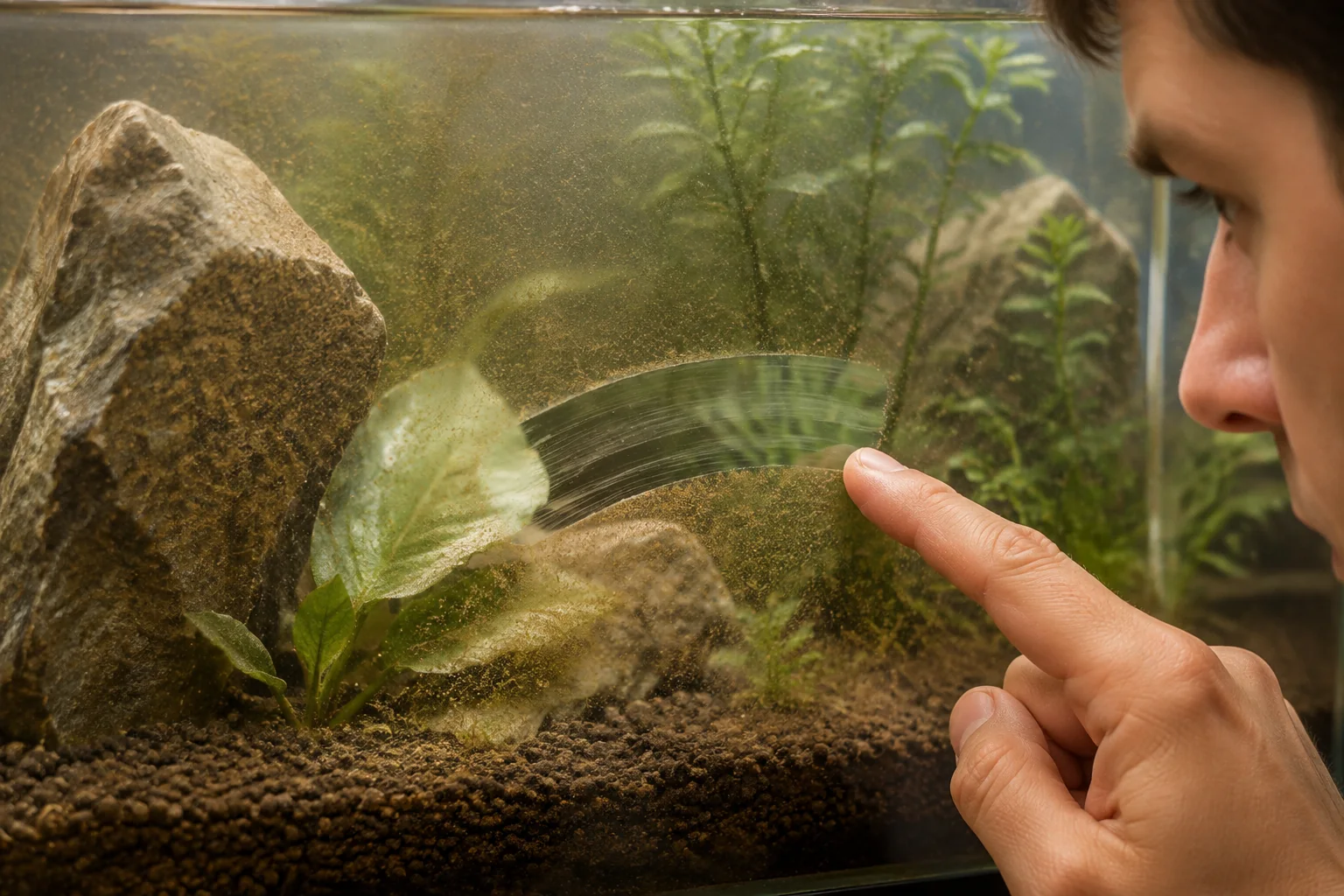
A soft brown coating in a young tank is often consistent with diatoms, but colour alone cannot replace inspection and water-quality checks.
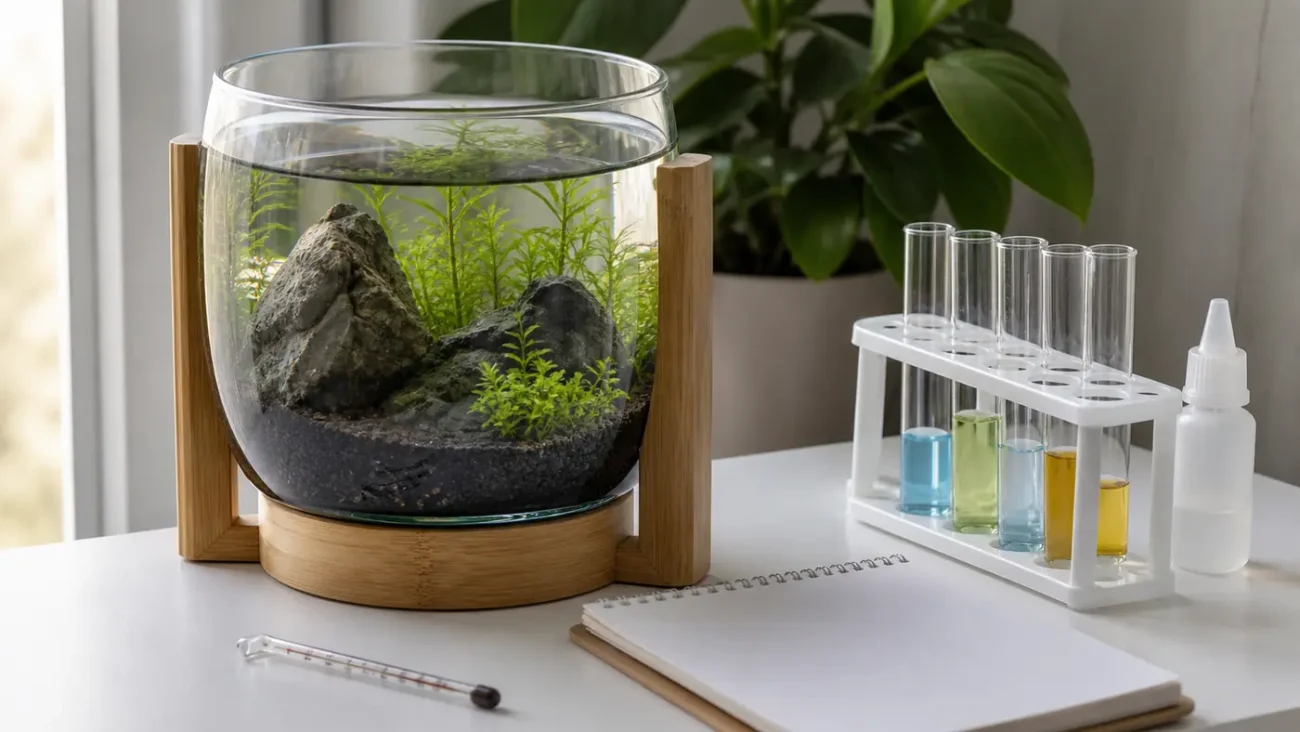
Diatoms are often called brown algae in aquarium discussions, although they are a distinct group of microscopic organisms. In a new aquarium, they may form a dusty or slimy tan-brown layer that wipes away more easily than hard green spot algae or black brush algae.
The useful response is proportionate: clean visible surfaces, protect plant leaves, check the developing cycle and avoid turning a normal maturation stage into a series of chemical interventions.
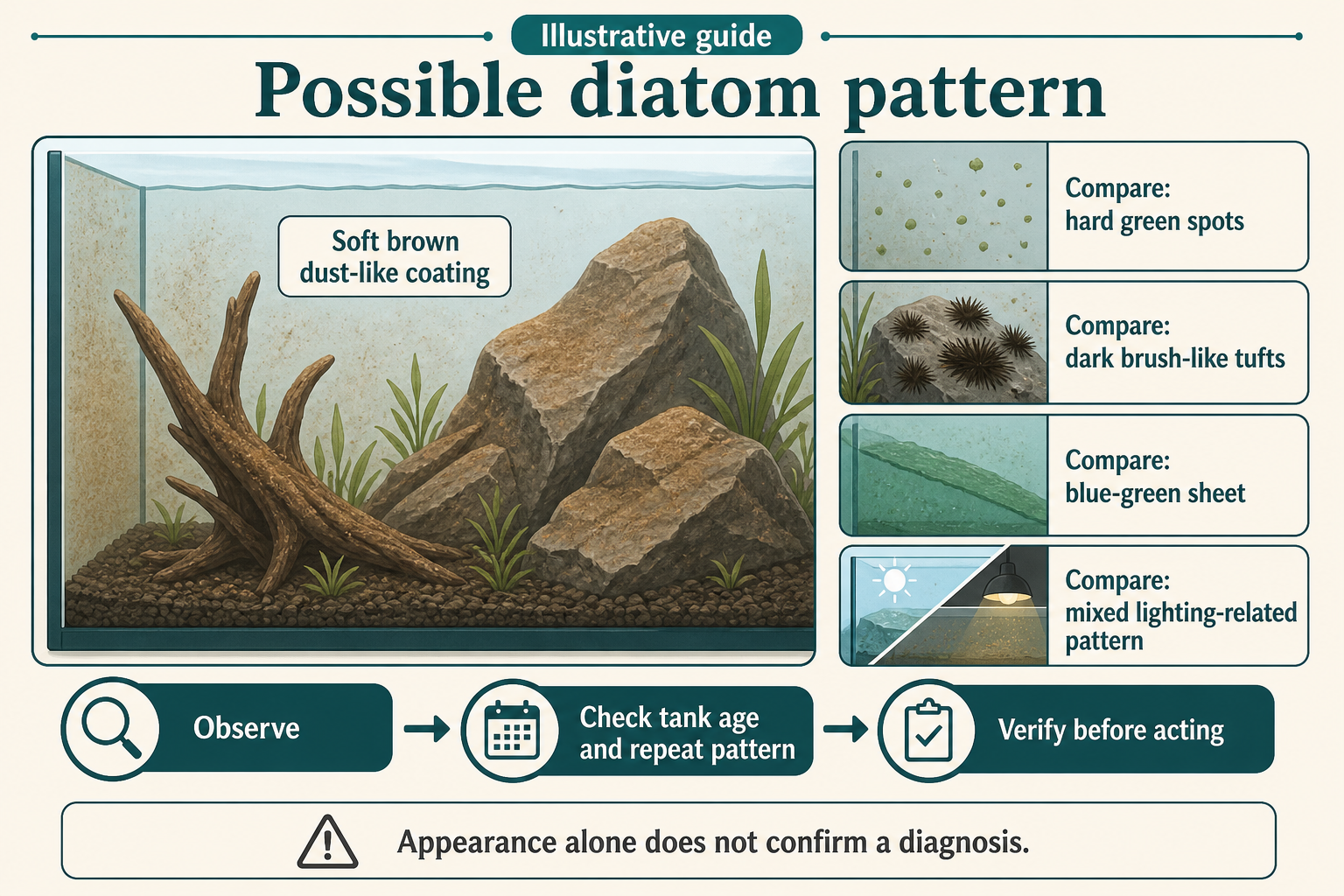
For a wider comparison, return to the aquarium algae and maintenance diagnostic. If the coating is firm rather than dusty, compare the hard green spot pattern; if it forms attached tufts, review the black beard algae comparison.
Key takeaways
- Use texture and how easily the coating wipes away as identification clues.
- Manual removal and stable maintenance are the first response.
- Do not add animals only to clean a temporary coating.
- Persistent or unusual growth requires a fresh diagnosis and source-water review.
Diatom or something else?
| Observation | Likely direction | Next check |
|---|---|---|
| Soft brown dust that wipes away | Diatom-like coating | Tank age, source water and routine |
| Hard green dots on glass | Green spot algae | Light and nutrient balance |
| Dark attached tufts | Black beard or brush algae | Carbon stability, flow and identification |
| Blue-green sheet with odour | Possible cyanobacteria | Prompt diagnosis and water-quality review |
Safe removal routine
Wipe glass with a surface-safe pad, gently fan or brush robust hardscape and siphon the loosened material during a water change. For delicate leaves, use a soft movement rather than scraping tissue.
Service mechanical filter material if flow has dropped, following the manufacturer's instructions. Preserve biological media and avoid a whole-tank sterilising clean.
Review the new-tank fundamentals
Keep the light schedule controlled, remove decaying leaves, avoid excess food and verify ammonia and nitrite. Diatoms do not prove that the nitrogen cycle is complete or incomplete, so treat water testing as a separate requirement.
If the tank uses active substrate, continue the product-specific water-change plan. Stable plant growth and routine maintenance usually make the surface less favourable over time.
When to investigate further
Reassess if the coating is unusually persistent, smothers healthy growth after the tank has matured, returns immediately after repeated cleaning or accompanies abnormal water readings. Confirm the organism before buying a treatment.
Source water and certain substrate or decorative materials can contribute silicate, but a single silicate reading of uncertain accuracy should not trigger aggressive chemical media use. Check test reliability and product instructions.
Practical checklist
- Photograph the coating under neutral light.
- Test whether it wipes away easily.
- Clean glass and siphon loosened material.
- Check filter flow and water readings.
- Keep light and feeding consistent.
- Reassess after the tank has had time to mature.
Frequently asked questions
Are diatoms dangerous to fish?
The coating itself is usually more of a visual and plant-surface issue, but a new tank still requires full water-quality and livestock-readiness checks.
Should I use an algaecide for brown diatoms?
Usually begin with identification, manual removal and stable maintenance. Any chemical product must be clearly labelled and compatible with every inhabitant and plant.
Will diatoms disappear on their own?
They often decline as a new aquarium matures, but continue cleaning and monitoring rather than ignoring excessive growth or abnormal water readings.
Sources and editorial method
This guide combines manufacturer documentation, official safety or regulatory guidance where relevant, and DaraSphere catalogue checks. Product availability and specifications can change; verify the current product page before ordering.
Build a practical aquarium maintenance kit
Choose tools that fit the tank material and size, then add filtration support and monitoring for a repeatable care routine.
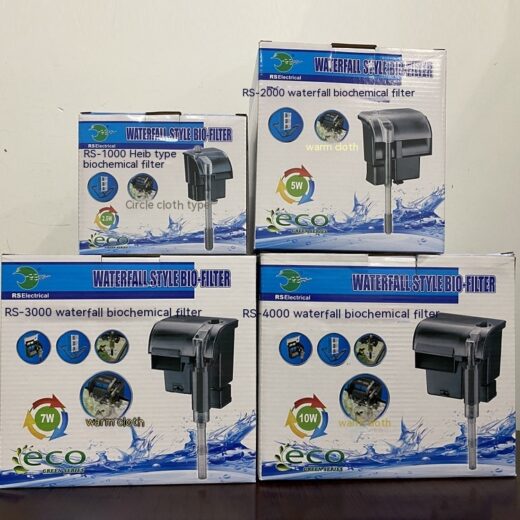
Aquarium Waterfall Bio Filter – RS1000 to RS4000
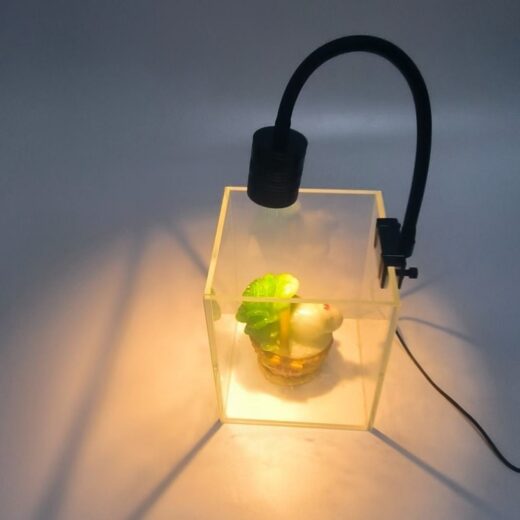
7 W USB Aquarium Plant Spotlight – Standard & Dimmable Models
Products matched to this guide
Selected for relevance to the setup and needs covered above.
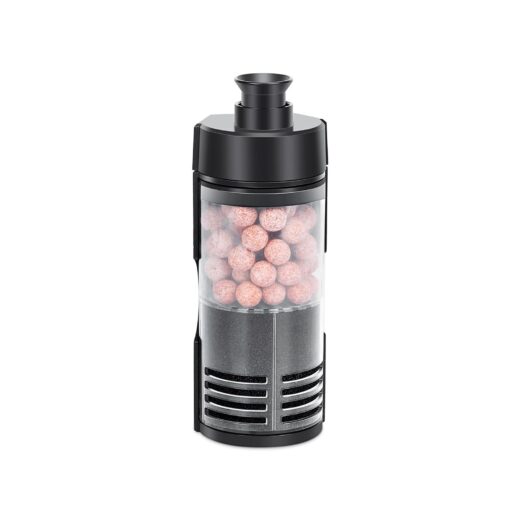
Bio Sponge Filter for Betta, Shrimp & Fry – 2–20 Gallons
Bring sponge and ceramic-media filtration together in a compact, air-driven filter. Choose Small for 2–5-gallon aquariums…
View product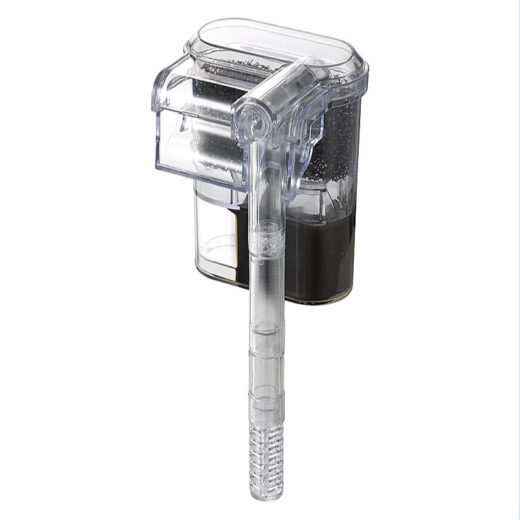
USB Mini Hang-On Waterfall Aquarium Filter
A compact USB-powered hang-on waterfall filter for small aquariums. Its transparent-grey ABS housing keeps the tank…
View product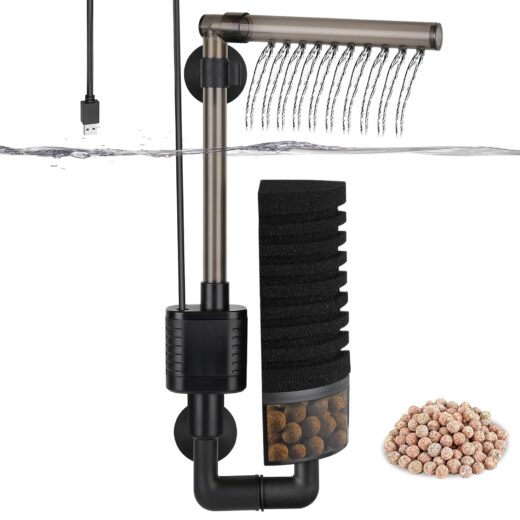
USB Aquarium Sponge Filter with Ceramic Media – Fresh/Saltwater
A compact black USB aquarium filter with two reusable sponges and one bag of ceramic media.…
View product