
Iwagumi Shopping List by Aquarium Size
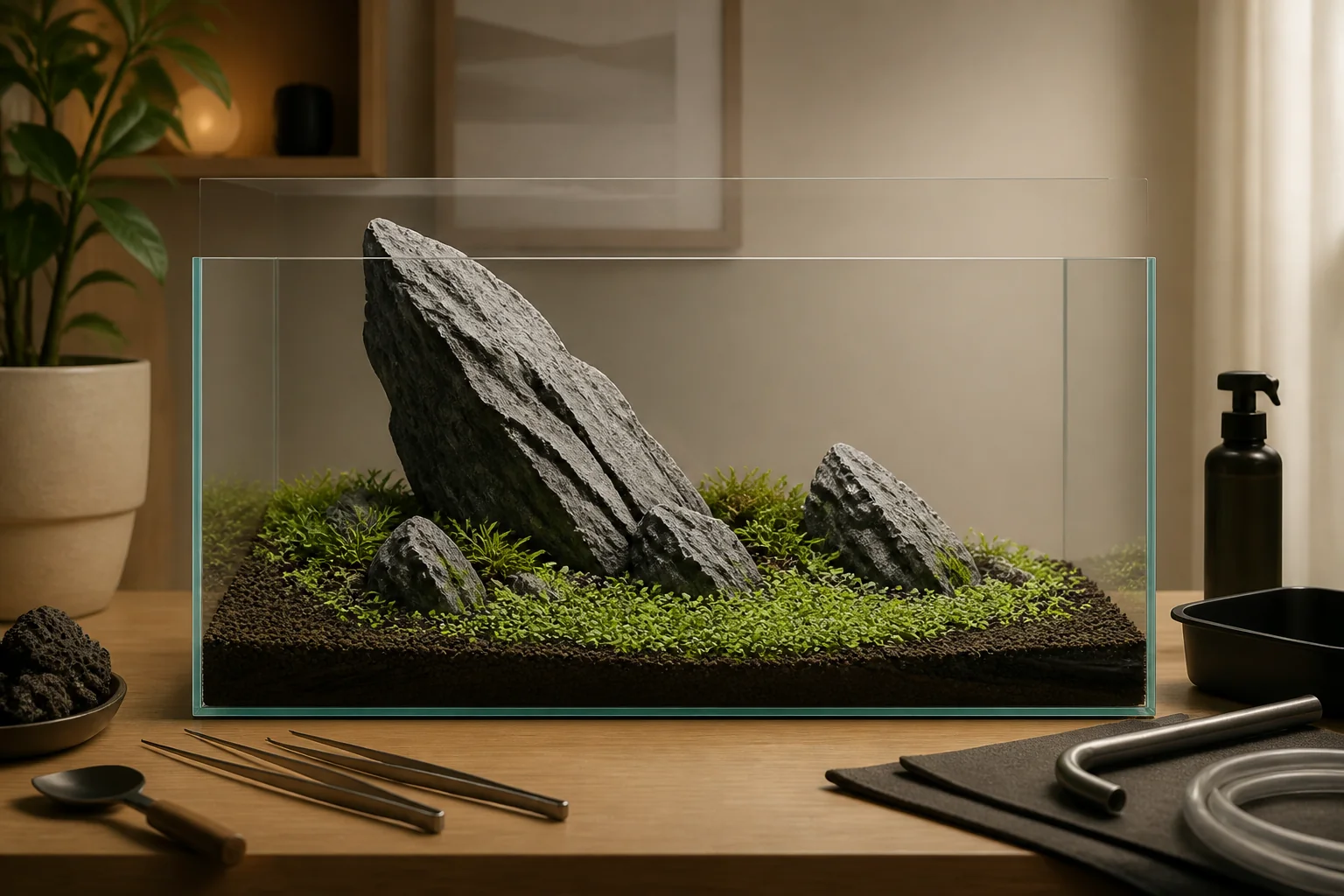
Iwagumi looks simple because every visible choice has a role; buying more rocks and plants does not automatically improve the composition.
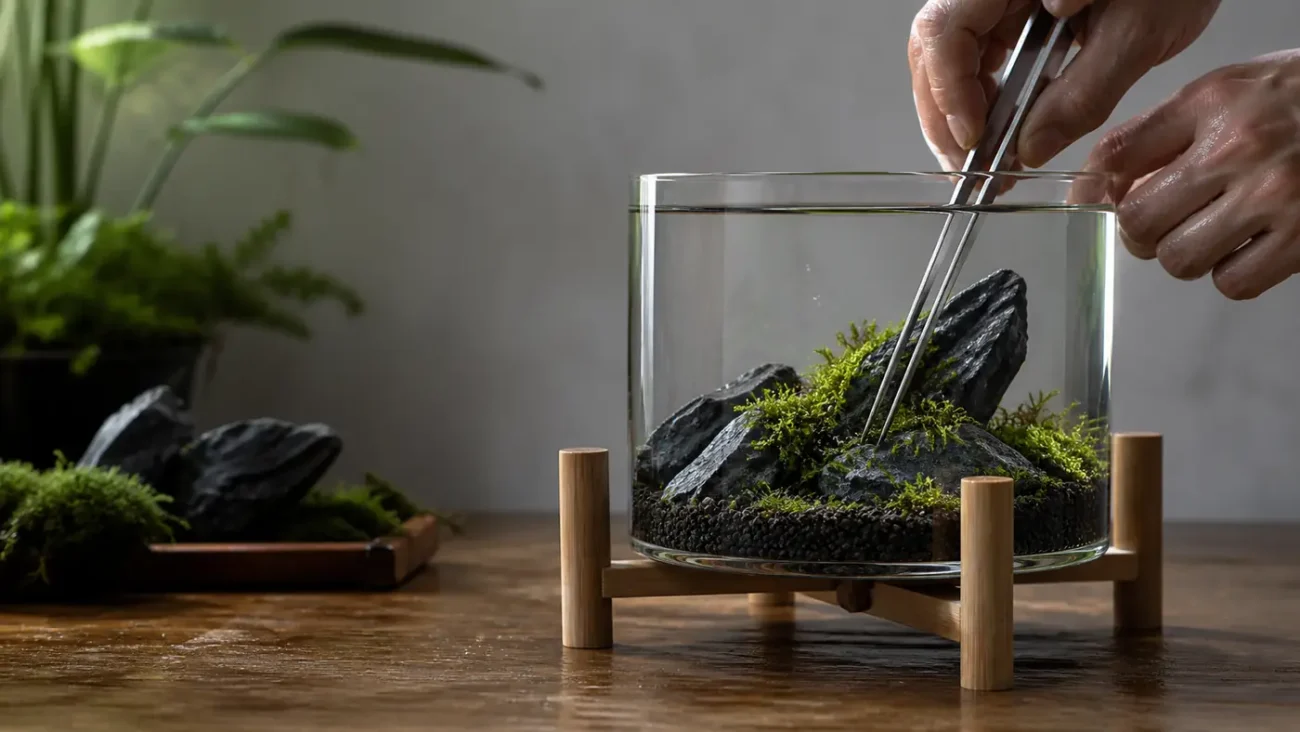
An Iwagumi shopping list should reduce options, not create a mixed-material collection. ADA workshop guidance emphasises similar stone texture and demonstrates how rock position, mounded substrate and carpet planting create flow and perspective.
The list below is a planning framework. Final stone weight depends on density, and the plant list depends on whether the aquarium is low-tech or uses regulated CO2.
Key takeaways
- Choose one stone type with consistent texture.
- Select the main stone first and supporting stones second.
- Reserve open space before adding plants.
- Plan circulation around stone faces and behind the mound.
Shopping list by tank length
| Tank | Stone plan | Planting approach | Equipment emphasis |
|---|---|---|---|
| Around 30cm | One compact main stone plus two to four small supports | One carpet or very limited low planting | Fine dimming, compact filter, short tools |
| Around 60cm | One main stone plus a varied supporting family | Carpet with optional restrained transition plant | Even light, adjustable flow, long tweezers |
| Around 90cm | Large main stone and enough related pieces to maintain scale | Broader carpet zones with controlled transitions | Coverage, circulation paths and structural substrate support |
The non-negotiable foundation
Buy or reserve the tank support, protective mat if specified, substrate system, aquarium-safe stone, filter, light, timer, thermometer, water-change equipment and planting tools before live plants arrive.
If the carpet plant requires strong light and CO2, treat those as part of the same system. A demanding plant cannot be converted into a low-tech choice by using a smaller portion.
Dry layout before substrate gets wet
Mark the tank footprint and sight line, then build several versions. Tilt stones so their visual direction relates, bury enough of each base to avoid a collection of rocks sitting on top of soil and check that the main stone is not accidentally centred.
Photograph the chosen layout with measurements. During installation, protect the glass, support heavy pieces and reproduce the arrangement before planting.
Maintenance belongs on the shopping list
A carpet requires trimming access, debris removal and flow across the foreground. Include suitable scissors, tweezers, a small siphon or baster, soft glass tools and a repeatable water-change method.
Stone surfaces may affect water chemistry or collect algae. Test the material, monitor water and leave enough space to clean visible faces without destabilising the layout.
Practical checklist
- Choose and verify one aquarium-safe stone type.
- Select the main stone before buying supporting pieces.
- Mock up the full composition.
- Match carpet demand to light and CO2 capability.
- Confirm filter flow reaches the foreground.
- Keep trimming and cleaning tools ready from day one.
Frequently asked questions
Does Iwagumi always use an odd number of stones?
Odd-number guidance can help beginners avoid symmetry, but the composition should be judged by hierarchy, direction, texture and negative space rather than a number alone.
Can I build a low-tech Iwagumi?
Yes, if the plant list and growth expectations match modest light and carbon. Many classic dense carpets are more demanding, so choose honestly.
Which stone is best for Iwagumi?
Choose an aquarium-safe stone with consistent texture and a water-chemistry effect that fits the tank. There is no universal best material.
Sources and editorial method
This guide combines manufacturer documentation, official safety or regulatory guidance where relevant, and DaraSphere catalogue checks. Product availability and specifications can change; verify the current product page before ordering.
Build a reliable automatic-feeding setup
Start with a compatible feeder, then protect the routine with suitable water-care and maintenance equipment.
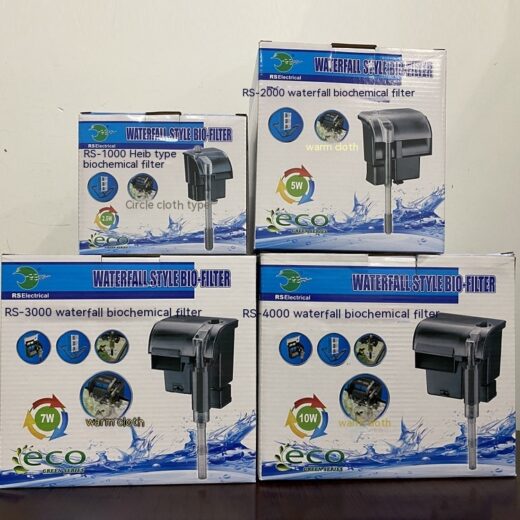
Aquarium Waterfall Bio Filter – RS1000 to RS4000
Products matched to this guide
Selected for relevance to the setup and needs covered above.
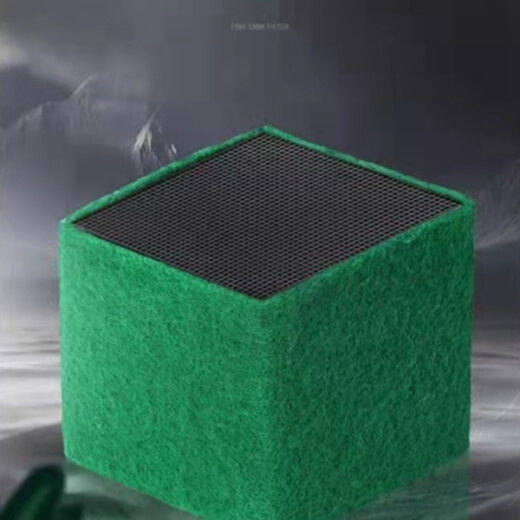
Filter Media Cube – Black/Green, Small/Large, 1–3 Pack
Cube-format aquarium filter media in black or green, small or large, with 1-, 2- and 3-piece…
View product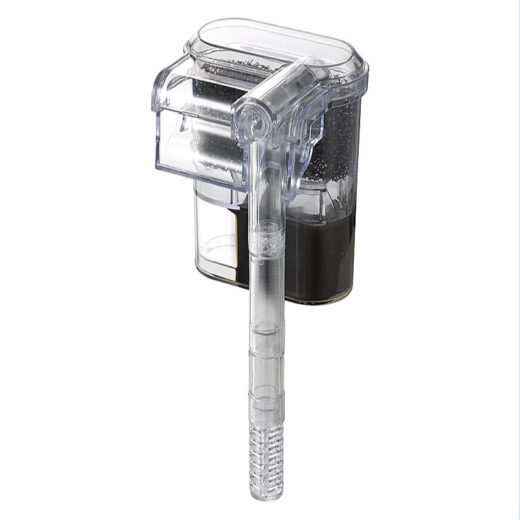
USB Mini Hang-On Waterfall Aquarium Filter
A compact USB-powered hang-on waterfall filter for small aquariums. Its transparent-grey ABS housing keeps the tank…
View product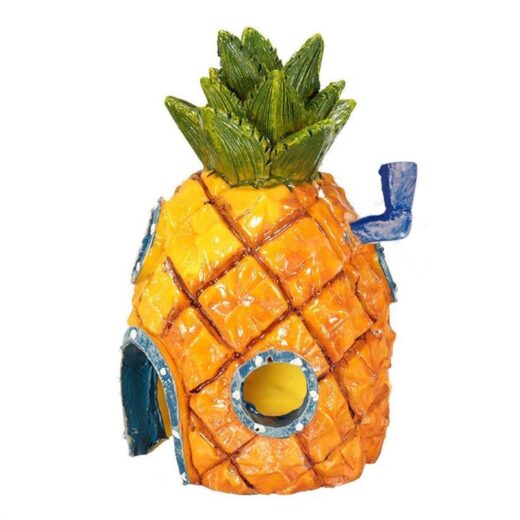
Pineapple House Aquarium Decoration – Resin 13 cm
A playful pineapple-house ornament made from resin. The compact design measures approximately 7.5 × 7.5 ×…
View product