
Are Aquarium Plants Good for Fish?

Featured image: AI-generated conceptual illustration of a planted freshwater aquarium, not a photograph of a tested setup.
Yes, suitable live aquarium plants can be good for fish. They provide shelter and shade, and growing plants can use some of the nutrients dissolved in the water. The benefit depends on choosing plants that fit the fish, the aquarium conditions, and the care you can provide. Plants do not replace a cycled filter, water testing, appropriate stocking, or regular maintenance.
For a fish keeper, the goal is a useful habitat rather than the densest possible underwater garden. A planted corner with room to swim can serve a different purpose from a surface covered in floating leaves. Start with the needs of the fish you actually keep.
How Can Live Plants Help Fish?
They Create Cover and Break Up Open Space
Leaves, stems, and roots add places to retreat and areas of shade. That matters for fish whose natural behaviour includes sheltering among vegetation. A layout with planted areas and open water gives those fish a choice of where to spend their time.
The RSPCA’s advice on fish behaviour emphasizes an environment that suits the species, including appropriate cover. Planting should follow that principle: give shelter where it is useful without taking away the space the fish need to swim. Plants are not a reliable cure for aggression caused by incompatible tank mates or inadequate space.
Growing Plants Can Use Dissolved Nutrients
Plants take up nutrients as they grow, including nitrogen compounds such as nitrate. This can contribute to managing nutrients in an aquarium. The amount they use depends on plant growth, lighting, the available nutrients, and other conditions; a few slow-growing leaves should not be treated as a water-treatment system.
Water that looks clear can still have a water-quality problem. Keep testing rather than judging safety from the greenery. The OATA planted-aquarium guide combines live plants with filtration, stocking, and maintenance advice, rather than presenting plants as a substitute for those essentials.
Do Aquarium Plants Give Fish Enough Oxygen?
Do Aquarium Plants Provide Oxygen?
Yes. Submerged aquarium plants can release oxygen into the water during photosynthesis when they receive suitable light. Their contribution varies with the plant and its growing conditions. Producing oxygen does not establish that the aquarium has enough dissolved oxygen for its fish throughout the day and night.
Do Aquarium Plants Need Oxygen?
Yes. Aquarium plants use oxygen for respiration in both light and darkness. Respiration releases usable energy from the substances the plant has made. Photosynthesis and respiration can happen together; oxygen production during the light period does not remove the plant’s own need for oxygen.
Roots are living tissues too. Aquatic plants have adaptations for living underwater, and internal gas transport can supply oxygen to submerged tissues. That does not justify digging through the substrate to “air the roots” or treating an aquatic plant like a waterlogged houseplant. Keep its growing points and planting depth appropriate to the identified species.
The biological need also does not mean that every planted aquarium requires a separate air pump. Whether additional aeration is appropriate depends on the whole setup, including circulation, surface exchange, temperature and the inhabitants. It cannot be decided by counting plants or observing whether their leaves produce bubbles.
| Condition | What plants do | What you can conclude |
|---|---|---|
| Suitable light | Photosynthesis and respiration occur together. | Plants may add oxygen; the amount available to the aquarium still varies. |
| Darkness | Respiration continues without photosynthesis. | Plants and other organisms still consume oxygen. |
| Any time | Plant activity is one part of the system. | Air–water exchange and the oxygen used by other organisms also matter. |
Why Oxygen Production Is Not a Safety Guarantee
Think about three things together: oxygen produced, oxygen consumed and gas exchange at the water surface. Fish, plants and microorganisms use oxygen; decomposition adds demand. Keep decaying growth and blocked flow in check through regular planted-tank maintenance.
Bubbles on leaves, often called pearling, are an observation rather than a dissolved-oxygen measurement. They cannot certify that every part of the aquarium, or the coming dark period, is safe. A plant without visible bubbles may still be photosynthesising. Where oxygen availability is in doubt, use a suitable dissolved-oxygen test or meter and interpret the result for the species and conditions.
Do not add more fish, stop aeration or remove established filtration because the aquarium is planted. Keep an appropriate light-and-dark schedule. Continuous lighting or extra CO₂ is not an oxygen-emergency treatment.
Fish unexpectedly gasping or breathing rapidly need prompt attention. Support surface movement and aeration, check equipment and water conditions, and seek qualified help if distress persists. The behaviour signals a problem; it does not identify oxygen shortage as the only possible cause.
| Plants can contribute | You still need to provide |
|---|---|
| Shelter and shaded places | Suitable tank size, compatible tank mates, and open swimming space |
| Uptake of nutrients during growth | Water testing, biological filtration, appropriate feeding, and partial water changes |
| Oxygen production during photosynthesis | Suitable gas exchange and an equipment setup that supports fish around the clock |
| A more varied physical environment | Species-appropriate care and removal of decaying material |
When Can Plants Create Problems?
The Plant and Fish Need Different Conditions
Check the fish’s temperature and water requirements alongside those of the plant. Some fish eat vegetation or disturb rooted plants. A plant that looks attractive in a display may not remain intact with your livestock, and repeatedly replacing it does not solve a compatibility problem.
Choose a plant by its identified species and care requirements, not just a label such as “aquarium greenery.” Our aquarium plant selection guide explains how growth habit and demand affect the choice. This article is about the benefit to fish; selecting and growing the plants is the next decision.
Growth or Dead Leaves Are Left Unmanaged
Plants need room to grow, but fish still need usable habitat. Trim or thin growth that crowds swimming routes, obstructs equipment, or covers areas that need to remain accessible. If you keep fish that visit the surface, make sure they can still reach it freely.
Remove decaying leaves rather than leaving a large amount of plant matter to break down. Decomposition uses oxygen and returns material to the water. A tank full of deteriorating plants is not delivering the same benefit as a healthy, managed planting.
The Plant Was Not Meant to Stay Underwater
Plants sold for terrariums or ordinary indoor pots should not automatically be submerged in a fish tank. A plant displayed above an aquarium is not necessarily suitable for full submersion. Confirm the exact plant and its intended position before adding it.
A holder that keeps a plant above the aquarium does not make an unidentified houseplant safe. Check suitability and preparation separately, especially where fish may nibble roots or leaves. Avoid experimenting with plants of unknown identity or treatment history.
Are Live Plants Better Than Artificial Plants?
Live plants grow and take up nutrients; artificial plants do neither. Both can add physical cover when they are suitable for aquarium use and arranged appropriately. Live plants also bring care requirements, including suitable light and removal of damaged growth.
You do not have to add live plants to every fish aquarium to be a responsible keeper. The important question is whether the environment meets the species’ needs. With artificial décor, avoid rough surfaces and sharp edges, and leave adequate swimming space. With live plants, check compatibility and be prepared to maintain them.
If plant care is the main hesitation, read how difficult aquarium plants are to keep alive. Choosing a manageable planting is more useful than buying demanding species just because they look impressive.
How to Add Plants With Fish in Mind
- Check the inhabitants first. Note the fish species, temperature, water requirements, feeding behaviour, and available swimming space. Use these to narrow the plant choice.
- Buy correctly identified plants from a reputable aquarium supplier. Ask whether they are suitable for continuous submersion and how they should be prepared. Avoid bringing unidentified plants or animals home from a local waterway.
- Inspect before introducing. Look for damaged tissue and unwanted organisms or eggs. Remove packaging and growing material as appropriate for the plant and supplier instructions. Rinsing is not sterilization and cannot guarantee that a plant is free of every pest or pathogen.
- Place plants for habitat, not just appearance. Create useful cover while keeping open routes, access to the surface, and access to equipment. Follow the correct planting method for the species.
- Keep the aquarium’s care routine. Continue water testing, filter care, suitable feeding, and partial water changes. Watch both plant condition and fish behaviour after the change.
Preparation requirements vary; do not copy an unverified dip recipe or dose a treatment into the aquarium because it was recommended for a different plant or animal.
For an aquarium that is not yet established, use our beginner planted-tank setup guide before adding fish. Planting a tank and completing its biological cycle are separate checks.
Questions Fish Keepers Often Ask
Can Plants Replace an Aquarium Filter?
Do not remove an established filter on the assumption that plants will take over. Plant growth does not demonstrate that the tank can safely process the waste from its fish. Maintain appropriate biological filtration and testing for the setup you keep.
Can I Keep More Fish if I Add More Plants?
Adding plants is not permission to overstock. Fish still need adequate space, compatible social groups, suitable oxygen levels, and effective waste management. Choose stocking around the species and the whole aquarium, not the number of plants.
Do I Still Need Water Changes?
Yes: keep an appropriate partial-water-change routine based on your aquarium and water tests. Nutrient uptake is only one part of water management. Plants do not remove the need to monitor what is happening in the water.
What Should I Do With Unwanted Plant Cuttings?
Never release aquarium plants into rivers, ponds, drains, or other waterways. Follow local disposal rules and restrictions. A harmless-looking cutting in your aquarium may cause problems if it establishes outside it.
The useful starting point: add plants that suit your fish and your maintenance capacity, give them appropriate growing conditions, and keep the care systems your fish already depend on. The aim is a better habitat, not a promise of a self-maintaining tank.
Build a planted aquascape starter kit
Begin with a simple layout foundation, then choose lighting and maintenance tools that match the plants and available space.
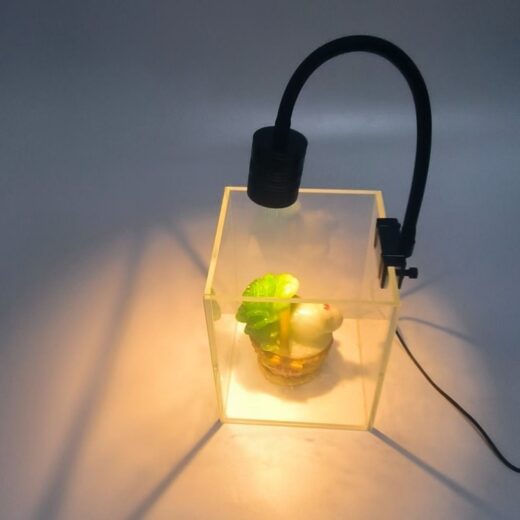
7 W USB Aquarium Plant Spotlight – Standard & Dimmable Models
This is a curated shopping path, not a one-size-fits-all bundle. Confirm dimensions, compatibility, livestock needs and electrical requirements before ordering.