
Can Fish Live in a Mini Aquarium Bowl?
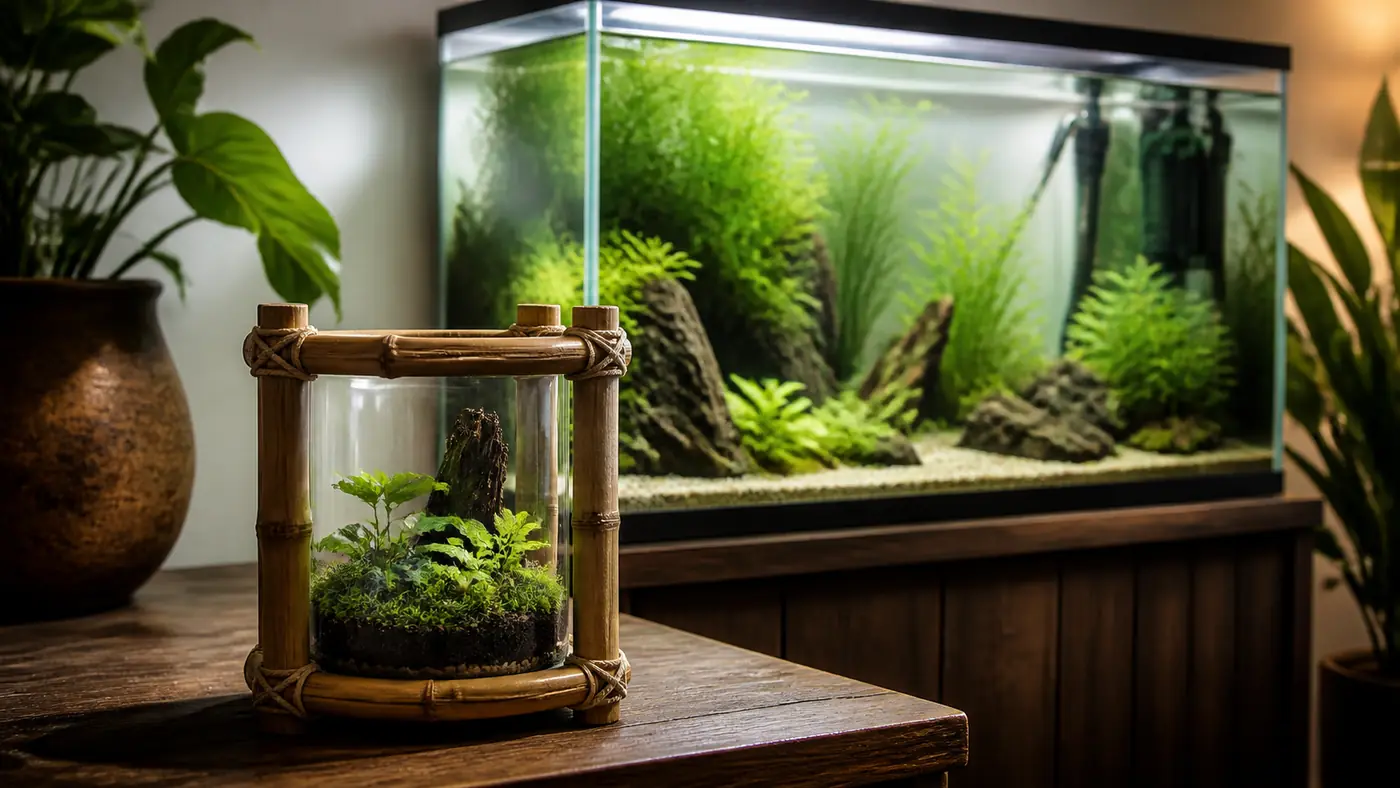
Fish may survive briefly in many containers, but survival is not the same as good welfare. A permanent home must support normal movement and behaviour as well as stable water quality, oxygen, temperature and species-appropriate enrichment.
For the DaraSphere bamboo glass mini aquarium bowl, the listed inner cylinder is about 10 cm in diameter and 15 cm high. That equals approximately 1.18 litres before substrate, stone, plants and the gap below the rim. The responsible answer is no: this product should not be used as a permanent fish habitat.
Why one litre is not enough
Limited volume creates several problems at once:
- very little horizontal swimming room;
- rapid temperature and chemistry changes;
- minimal space for a suitable filter and heater;
- limited surface area and circulation;
- waste becomes concentrated quickly;
- normal shelter, enrichment and social needs cannot be met.
Decor reduces the usable water further. See the mini bowl volume calculation for the transparent maths.
What about a betta?
Bettas are sometimes marketed for cups and bowls because they can breathe air at the surface. That adaptation does not remove their need for warm, clean, stable water, space to explore, shelter and suitable filtration.
Air-breathing ability should never be used to justify an undersized permanent enclosure. Research current betta-care guidance and choose a properly equipped aquarium with a lid and controlled temperature.
What about a goldfish?
Goldfish grow, produce substantial waste and require far more space and filtration than this container can provide. The RSPCA gives an example of at least 60 litres per goldfish, while noting that requirements vary with the fish and setup. A one-litre display is not a goldfish aquarium.
Does frequent cleaning make a bowl suitable?
No. Frequent water changes cannot create swimming room, appropriate behavioural opportunity or equipment capacity. Large or poorly matched changes can also cause abrupt shifts in temperature and chemistry.
Learn what cycling and testing actually do in our mini aquarium water-quality guide. A cycled container can process a defined waste load, but cycling does not make an unsuitable enclosure appropriate.
Can shrimp or snails live in it?
Do not assume a smaller animal automatically fits. Shrimp and snails still require stable, mature water, minerals, oxygen, food, surface area and appropriate group conditions. Roughly one litre offers very little stability, and some snails reproduce rapidly or produce significant waste.
Use this product as a plant display. If you want invertebrates, choose a larger, mature, filtered aquarium and research the exact species before purchase.
The ethical alternative: a plant-only display
A fish-free composition can provide the visual appeal without compromising animal welfare. Attach a small epiphyte or moss to aquarium-safe stone or wood, leave open water and keep the bamboo frame dry.
The plant-only aquarium bowl guide provides a complete setup, and the best plants for mini bowls helps control scale.
How to choose an aquarium for fish
Reverse the shopping process: choose the species only after researching its adult size, activity, social grouping, temperature, water chemistry and care. Then select an aquarium that supports all of those needs with room for reliable equipment.
Ask these questions:
- What is the fish's adult size and normal swimming behaviour?
- Must it live alone, as a pair or in a group?
- What temperature and water parameters does it require?
- What filtration, lid, lighting and enrichment are needed?
- Can the mature aquarium and emergency care be maintained long term?
Our fish bowl vs nano aquarium comparison explains why a purpose-built tank is the more responsible starting point, though “nano” alone is not proof of suitability.
If a fish is already in a tiny bowl
Do not make several abrupt changes without understanding the current temperature and water chemistry. Prepare an appropriately sized, dechlorinated and cycled aquarium, test both systems and transfer the animal using a method suitable for the species. Seek advice from a qualified aquatic veterinarian or reputable welfare organisation if the fish shows distress.
Warning signs can include gasping, clamped fins, loss of balance, lethargy, unusual colour, refusal to eat or visible lesions. These signs require prompt investigation; they are not a reason to add medication without a diagnosis and species-appropriate directions.
Frequently asked questions
Can any fish live permanently in a one-litre bowl?
This miniature volume does not provide an appropriate permanent fish habitat. Choose a species-appropriate, equipped aquarium.
Can I add an air stone and keep a fish?
An air stone may improve movement or gas exchange, but it does not create space, filtration, temperature control or enrichment.
Does clear water mean the bowl is safe?
No. Ammonia and nitrite can be present in clear water. Appearance cannot replace testing.
Can the bowl be used for temporary transport?
Only when appropriate for a brief, supervised task and the species' safety. It should not become a holding container by default.
What should I put in the bowl instead?
Use aquarium-safe stones or wood with compact aquatic plants, or create a temporary propagation display without animals.
A product can be attractive without being a fish home
Responsible content should distinguish décor from habitat. This bamboo glass bowl can make an elegant miniature planted display, but its approximately 1.18-litre gross capacity does not meet the long-term needs of fish.
Return to the complete desktop aquarium bowl guide for a safe, plant-first use of the product.
Further reading: RSPCA aquarium environment guidance, RSPCA freshwater fish care and OATA freshwater water-quality guidance.
Plan a responsible small-aquarium setup
Confirm real water volume and livestock requirements first, then compare tanks, filtration and maintenance equipment as one system.
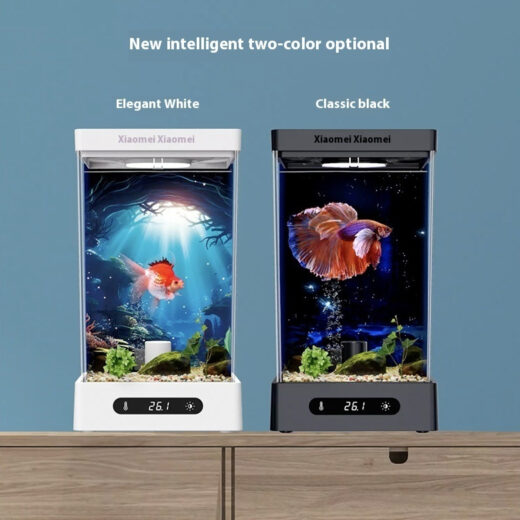
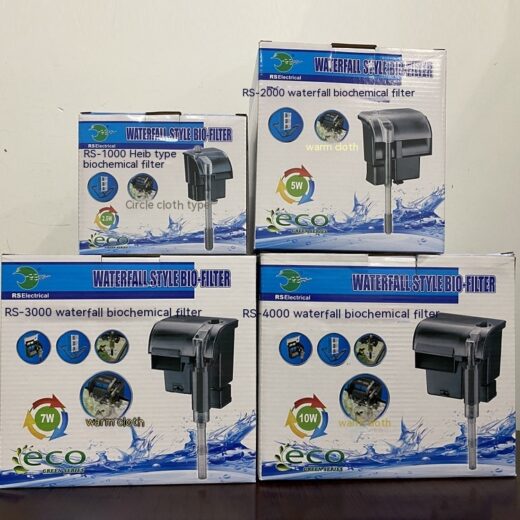
Aquarium Waterfall Bio Filter – RS1000 to RS4000
Products matched to this guide
Selected for relevance to the setup and needs covered above.
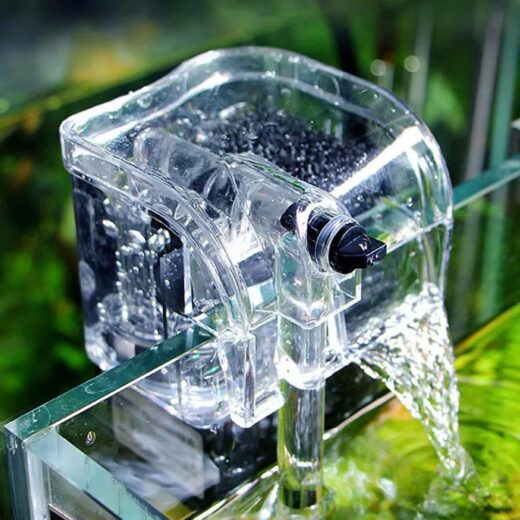
Nano Hang-On Back Aquarium Filter for Betta & Shrimp – 1–5 Gallons
Compact white hang-on-back filter for 1–5 gallon nano tanks, with adjustable flow, aeration and surface skimming.…
View product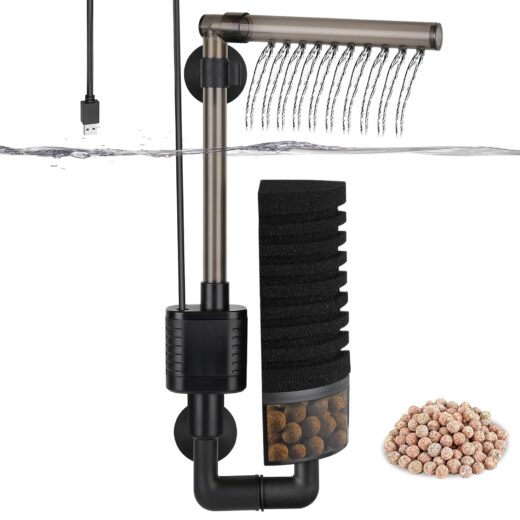
USB Aquarium Sponge Filter with Ceramic Media – Fresh/Saltwater
A compact black USB aquarium filter with two reusable sponges and one bag of ceramic media.…
View product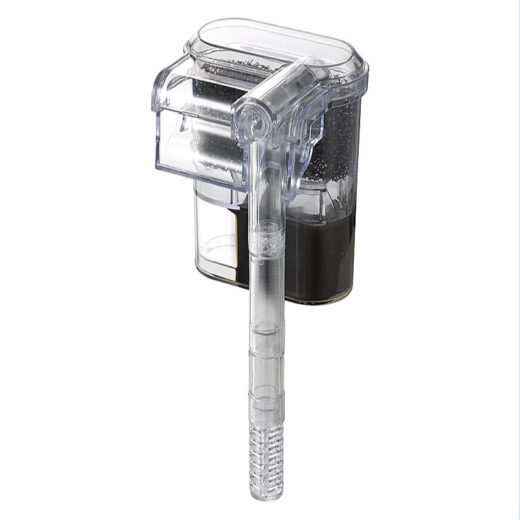
USB Mini Hang-On Waterfall Aquarium Filter
A compact USB-powered hang-on waterfall filter for small aquariums. Its transparent-grey ABS housing keeps the tank…
View product