
Mini Aquarium Water Quality and Cycling
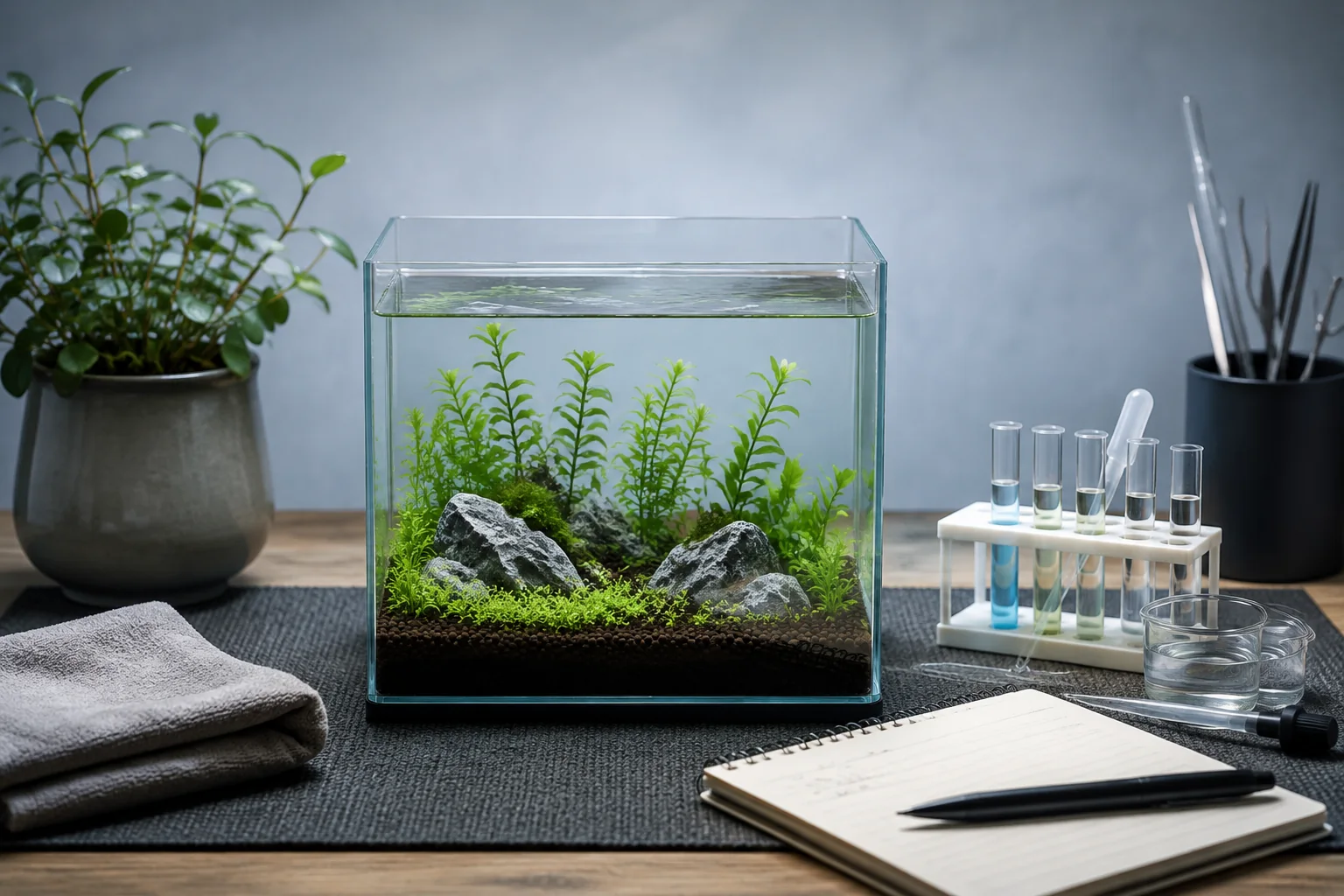
Small aquariums are not chemically simpler than large ones. They contain the same processes in less water, which means heat, waste and dosing errors can change conditions quickly.
The inner cylinder of the DaraSphere bamboo glass mini aquarium bowl has a gross capacity of only about 1.18 litres before décor. That makes it best as a plant display rather than a stocked aquarium.
What the nitrogen cycle does
Organic matter produces ammonia. Beneficial microorganisms convert ammonia to nitrite and then nitrate. Ammonia and nitrite are dangerous to aquatic animals; nitrate and other dissolved substances still need management.
Cycling means establishing and verifying this biological processing before livestock is added. A calendar alone cannot prove a system is cycled—testing does.
Why a tiny volume is less forgiving
One decaying leaf, an extra fertiliser drop or a warm afternoon represents a larger change in one litre than in 40 litres. There is less thermal and chemical buffering, and limited room for filter media or water movement.
First calculate the actual water volume, including displacement by substrate and stone.
Test meaningful parameters
For any system intended to support animals, test at least ammonia, nitrite, nitrate, pH and temperature with appropriate equipment. Hardness and other parameters may matter for particular species or plants.
Do not interpret clear water as proof of safe chemistry. Record results with dates and note any change in substrate, fertiliser, plant condition or temperature.
Water changes and top-ups are different
A partial water change removes some dissolved substances. Topping up replaces evaporated water but can leave minerals and pollutants behind.
Measure small changes accurately. In one litre, 250 ml is a 25% change. Replacement water should be conditioned and reasonably matched to the existing temperature and chemistry.
Plant-only bowls still change
Plants use nutrients, release organic matter and sometimes melt after being moved. Remove decaying tissue and avoid fertilising automatically. A plant-only aquarium bowl needs observation even without animal waste.
Do not use cycling to justify unsuitable stocking
A mature biological system does not create swimming space, a lid, stable heating or behavioural enrichment. Even if test results appear stable, this bowl remains too small for fish.
Read fish bowl vs nano aquarium and can fish live in a mini bowl? before considering livestock.
Common causes of instability
- direct sunlight or a heat source;
- too much fertiliser;
- decaying leaves left in place;
- excessive substrate or nutrient soil;
- unconditioned tap water;
- large, sudden water changes;
- cleaning every surface at once;
- adding animals or food before water tests and a documented cycle show the system is ready.
The cleaning guide explains how to preserve the display without contaminating the glass.
Frequently asked questions
How long does cycling take?
There is no reliable fixed number of days. A system is ready only when appropriate testing confirms that it processes the intended waste load.
Can plants replace a filter?
Plants can use nutrients, but they do not automatically provide adequate mechanical filtration, circulation or oxygenation for livestock.
Can I use water from an established aquarium?
Most beneficial bacteria live on surfaces and filter media rather than in the water column. Established water alone does not instantly cycle a new container.
Should ammonia and nitrite be detectable?
In an established aquarium containing animals, both should normally remain at zero on a reliable test. Any detectable result requires prompt investigation.
Treat stability as something you verify
The safest plan for this bowl is a low-input planted display. Whatever the layout, measure its volume, control light and temperature, remove decaying material and test rather than guessing.
Further reading: OATA guide to understanding aquarium water quality and the RSPCA freshwater fish care guide.
Return to the desktop aquarium bowl pillar guide.
Build a water-quality starter setup
Combine suitable filtration with monitoring and maintenance tools; equipment supports, but does not replace, a correct cycling process.
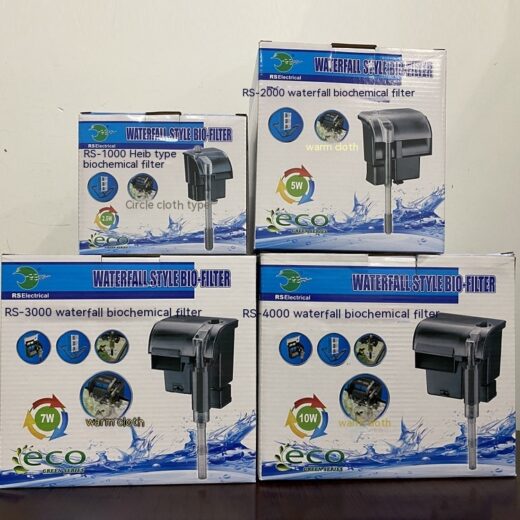
Aquarium Waterfall Bio Filter – RS1000 to RS4000
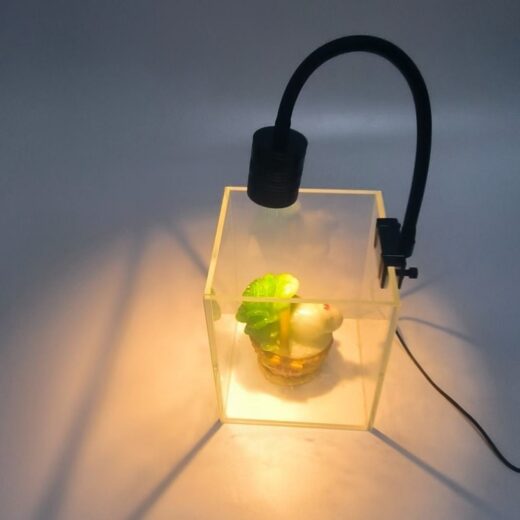
7 W USB Aquarium Plant Spotlight – Standard & Dimmable Models
Products matched to this guide
Selected for relevance to the setup and needs covered above.
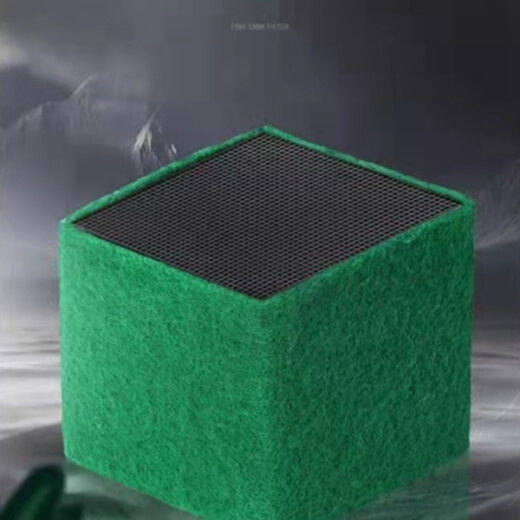
Filter Media Cube – Black/Green, Small/Large, 1–3 Pack
Cube-format aquarium filter media in black or green, small or large, with 1-, 2- and 3-piece…
View product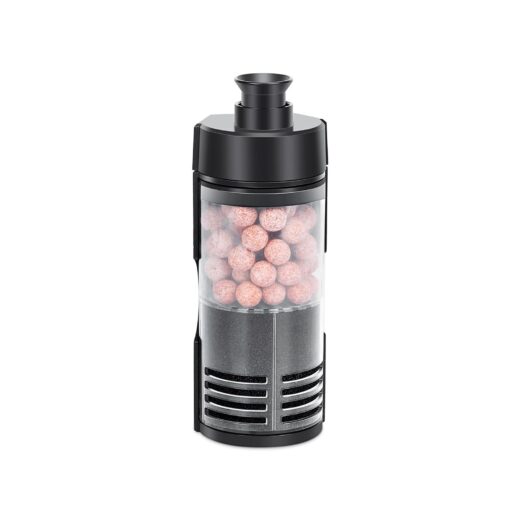
Bio Sponge Filter for Betta, Shrimp & Fry – 2–20 Gallons
Bring sponge and ceramic-media filtration together in a compact, air-driven filter. Choose Small for 2–5-gallon aquariums…
View product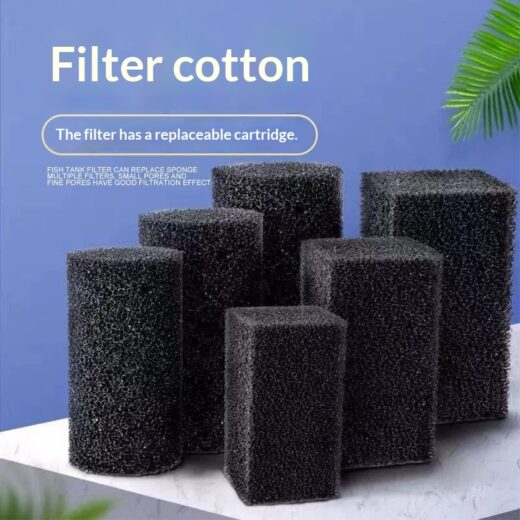
Replacement Aquarium Filter Sponge – 4 W, 6 W & 15 W Models
Refresh your filter media with replacement sponges in round or square shapes. Choose a 4 W,…
View product