
Planted Aquarium Cleaning Rhythm: Daily, Weekly and Monthly
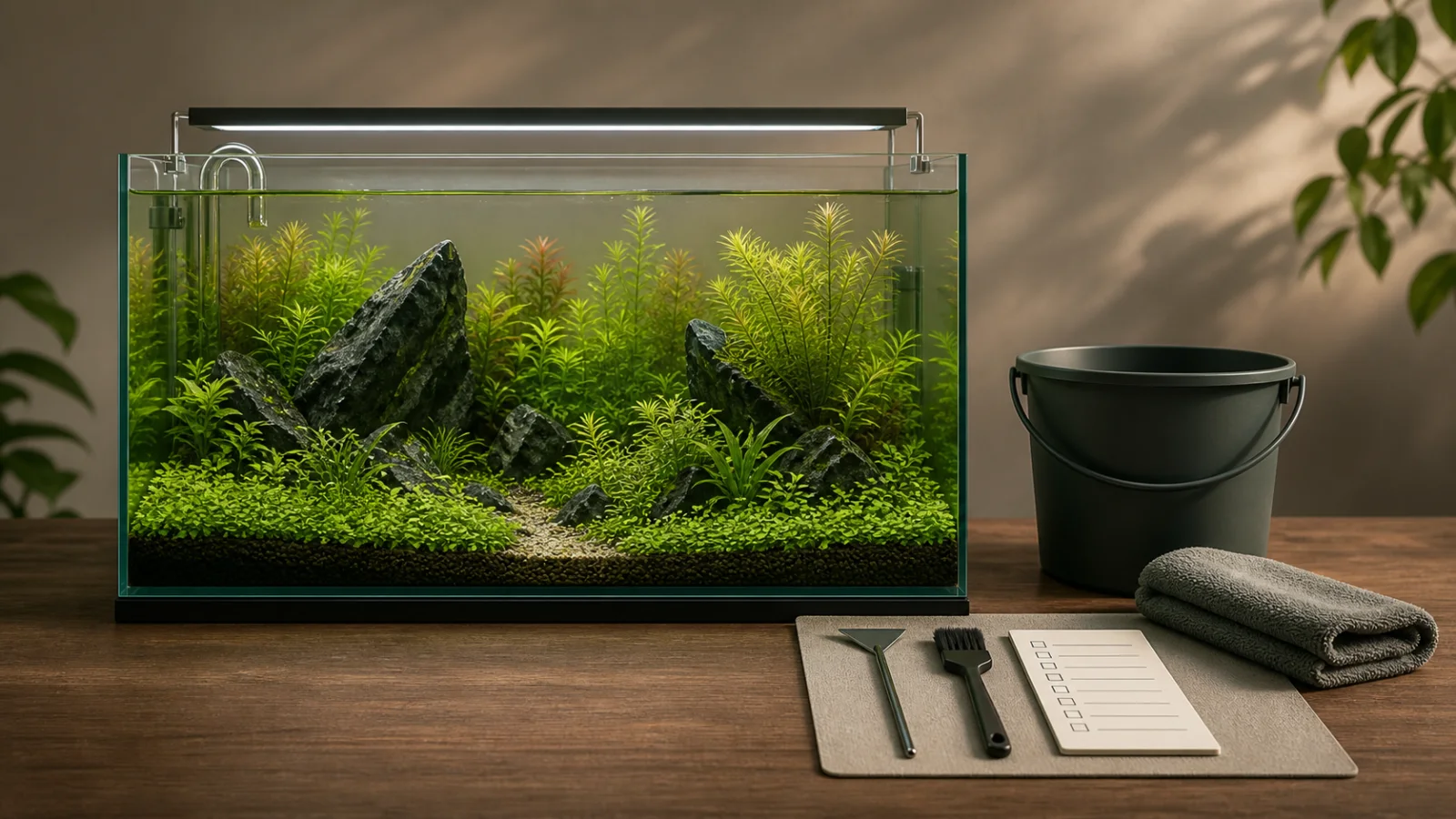
A planted aquarium stays cleaner when maintenance is split into observation, routine removal and occasional equipment care—not when everything is scrubbed on the same day.
Use the aquarium’s signals, not a rigid deep-clean calendar
The useful question is not “Is it cleaning day?” but “What has changed since the last visit?” Clear water can still hide reduced flow, decaying leaves or a slow leak, while a little biofilm on wood may be normal and harmless. Start every session with the equipment running so you can observe the tank before your hands disturb it.
| Check | Normal action | Act sooner when… |
|---|---|---|
| Daily glance | Observe livestock, temperature, circulation, water level and the floor around the tank. | Animals behave unusually, the heater or filter stops, a fitting drips or the water level changes unexpectedly. |
| Routine maintenance | Trim damaged growth, remove accessible waste, clean viewing panes and perform the established partial water change. | Waste is collecting, glass blocks the view, plants shade one another or measured water quality calls for action. |
| Equipment inspection | Check intake guards, impellers, hoses, seals, timers and cables according to their manuals. | Flow falls, a pump becomes noisy, tubing kinks, a seal looks damaged or bubbles appear where they did not before. |
A low-disturbance weekly workflow
- Record the starting condition. Note unusual behaviour, reduced circulation, algae locations and any relevant test result before changing anything.
- Prepare replacement water and tools. Match the water-preparation method to the aquarium and livestock. Keep soaps, household sprays and cleaning cloths used elsewhere away from the tank.
- Switch off equipment that cannot run safely during a lower water level. Follow each manual; keep plugs, power strips and hands dry.
- Trim first. Remove melting leaves and unwanted growth before siphoning so fragments do not circulate around the aquarium.
- Clean selectively. Use a material-safe pad on the viewing glass and a smaller tool around silicone seams. Acrylic tanks require tools approved for acrylic because ordinary scrapers can scratch them.
- Siphon loose debris. Hover over planted substrate and accessible pockets instead of digging through every layer. Deep disturbance can uproot plants and release trapped debris.
- Refill slowly, restart and verify. Confirm normal flow, temperature control, timers and leak-free fittings before leaving.
Keep filter service separate from cosmetic cleaning
A filter should be serviced because flow has fallen, an intake is obstructed or the manufacturer’s interval has arrived—not simply because the glass was cleaned. Photograph the media order before dismantling it, keep reusable biological media wet, and avoid replacing every reusable stage at once unless the manufacturer specifically requires it.
Mechanical media that is designed to be rinsed can be cleared of trapped debris using the method in its manual. Disposable cartridges, chemical media and sealed components may have different replacement rules. Do not improvise with detergents, boiling water or disinfectants on aquarium media.
Adjust the rhythm to the real tank
A newly planted aquarium, a heavily fed aquarium and a mature low-stock layout may need different visit frequencies. Increase observation and debris removal when plants are adapting, leaves are shedding, livestock load changes or summer room conditions alter evaporation and temperature. Reduce unnecessary disturbance when the tank is stable; “more cleaning” is not automatically better.
- Fast plant growth: schedule trimming before lower leaves are shaded and decay.
- Fine-leaved carpets: use gentle surface siphoning and remove cuttings immediately.
- Wood and epiphytes: lift settled waste from crevices without burying or tearing rhizomes.
- Recurring algae: record its location and review light, plant health, waste and circulation rather than scrubbing away the evidence and changing several settings.
Cleaning questions that prevent over-maintenance
Should the aquarium be emptied for a normal clean?
No. Routine care is normally performed with a partial water change and targeted debris removal. A full teardown disrupts plants, animals and established filtration and should be reserved for a separate, justified project.
Why does the glass become dirty again so quickly?
Note where the growth returns, the total light exposure, room sunlight, plant condition and waste accumulation. Cleaning the pane removes the symptom; the repeated pattern helps identify the pressure behind it.
Can I clean the filter and substrate on the same day?
A small, planned substrate siphon may coincide with routine filter care, but avoid aggressive work on both. Stage major tasks so the aquarium is not subjected to several large disturbances at once.
Sources
The sequence above combines equipment-first safety with planted-tank husbandry. Exact water preparation, livestock care and equipment service must follow the relevant manufacturer or species guidance.
Next step: Turn these cleaning tasks into a repeatable schedule with the planted aquarium maintenance routine.
Build a practical aquarium maintenance kit
Choose tools that fit the tank material and size, then add filtration support and monitoring for a repeatable care routine.
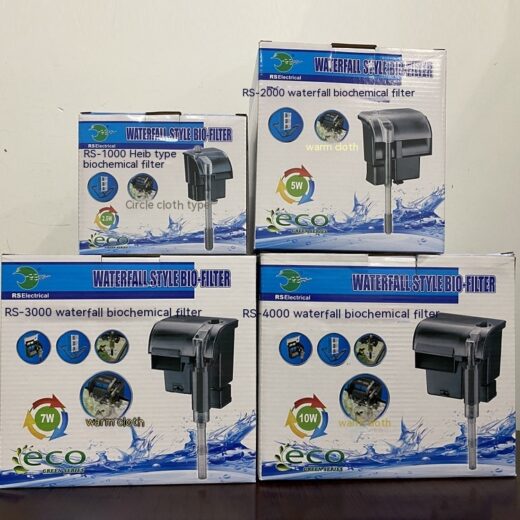
Aquarium Waterfall Bio Filter – RS1000 to RS4000
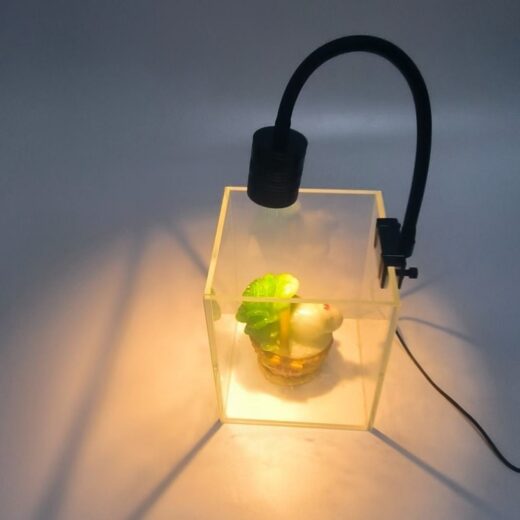
7 W USB Aquarium Plant Spotlight – Standard & Dimmable Models
Products matched to this guide
Selected for relevance to the setup and needs covered above.
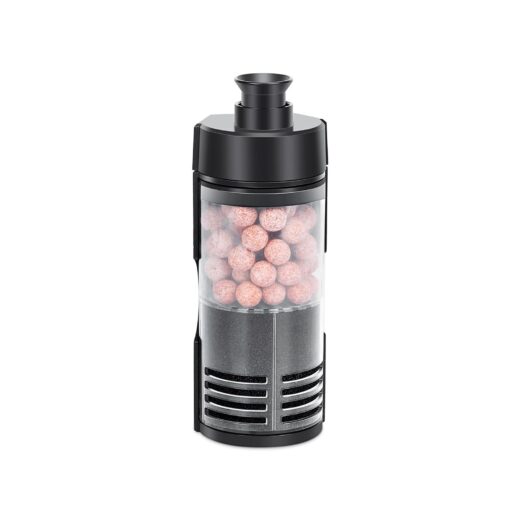
Bio Sponge Filter for Betta, Shrimp & Fry – 2–20 Gallons
Bring sponge and ceramic-media filtration together in a compact, air-driven filter. Choose Small for 2–5-gallon aquariums…
View product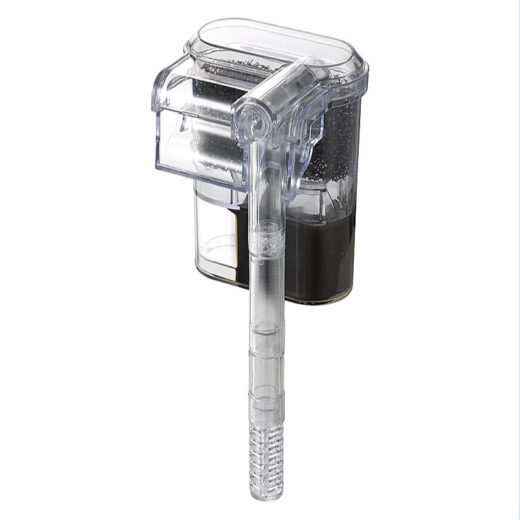
USB Mini Hang-On Waterfall Aquarium Filter
A compact USB-powered hang-on waterfall filter for small aquariums. Its transparent-grey ABS housing keeps the tank…
View product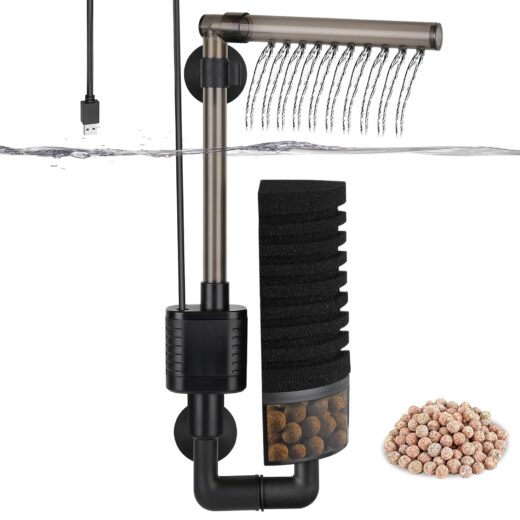
USB Aquarium Sponge Filter with Ceramic Media – Fresh/Saltwater
A compact black USB aquarium filter with two reusable sponges and one bag of ceramic media.…
View product