
How to Clean a Bamboo Glass Aquarium Bowl Safely
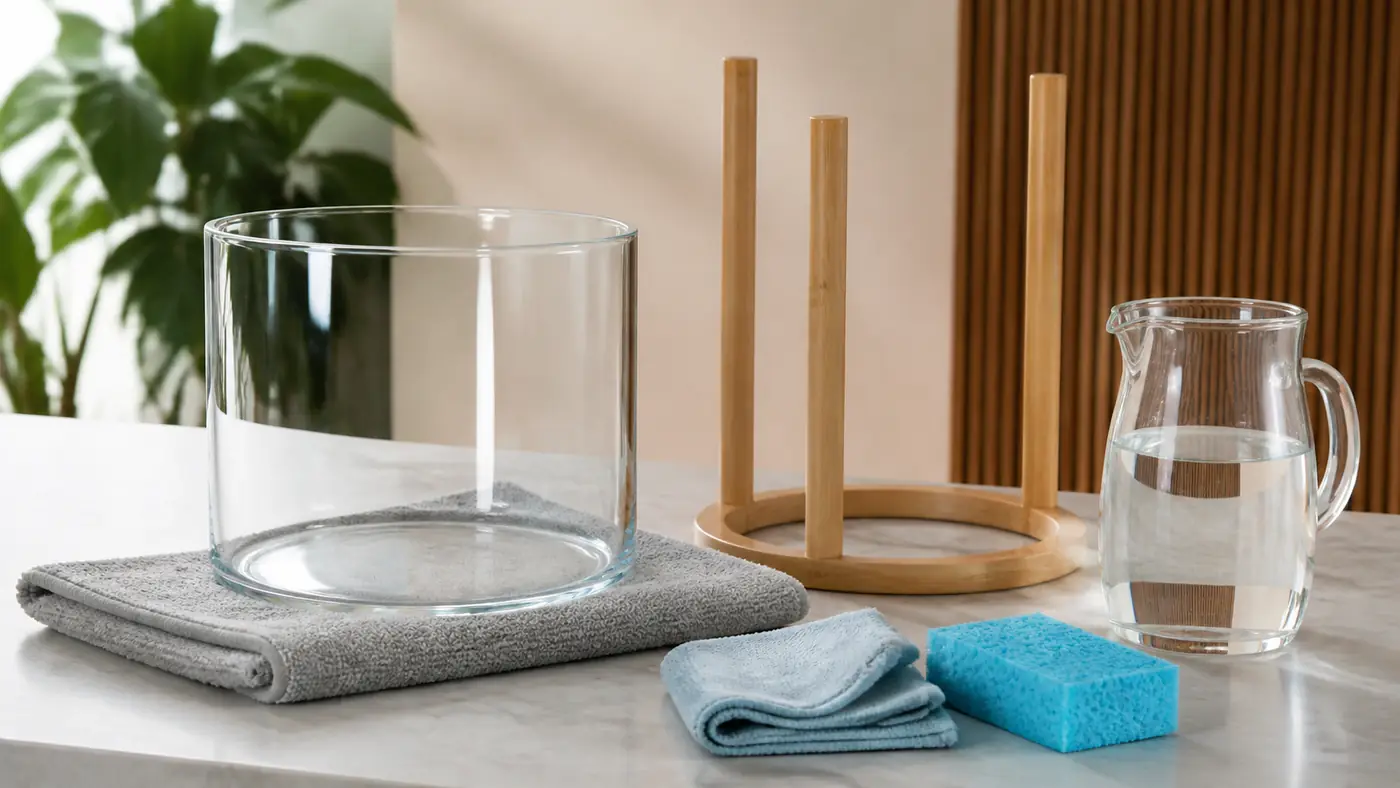
Glass and bamboo need different care. The glass cylinder is designed to contain water; the natural frame should be kept dry. Cleaning them as one object can trap moisture around the bamboo, while household soap can leave residues inside the aquatic display. (Purdue Extension: Aquarium Care and Cleaning) (Peer-reviewed study: Bamboo Water-Vapour Sorption)
This routine is designed for the DaraSphere bamboo glass mini aquarium bowl and similar plant-only displays.
What you need
Prepare a dedicated soft cloth, a non-abrasive aquarium sponge, a small siphon or cup, a clean bucket used only for aquarium work and conditioned replacement water if the display will be refilled. A soft toothbrush reserved for hardscape can help with detailed areas. (Purdue Extension: Aquarium Care and Cleaning)
Do not use dish soap, window cleaner, disinfectant, fragrance, furniture polish or a kitchen sponge that may contain detergent. Avoid metal blades on curved glass. (Purdue Extension: Aquarium Care and Cleaning)
Step 1: Make the area safe
Clear electronics and paperwork away. Wash and rinse your hands, removing lotions or chemicals. Place a towel and a stable container beside the bowl so each component has a safe landing place.
If you are still choosing a workspace, read where to place a desktop aquarium bowl.
Step 2: Perform light maintenance first
Not every mark requires dismantling. Remove dead leaves with clean tweezers, wipe the inside glass gently and siphon loose debris. Replace only the planned portion of water with conditioned water at a similar temperature. (Merck Veterinary Manual: Providing a Home for Fish)
Topping up evaporation is not the same as a water change because dissolved minerals remain behind. The mini aquarium water-quality guide explains the difference. (NIST: Circumference, Area and Volume)
Step 3: Separate glass from bamboo for deeper cleaning
If a full clean is genuinely needed, remove hardscape safely and drain the cylinder before lifting it. Support the glass with both hands. Do not lift a full container by the bamboo frame, and do not twist the glass against the frame.
Set the empty glass on a folded towel. Keep the bamboo away from the bucket and wet tools.
Step 4: Clean the glass without soap
Use clean lukewarm water and a non-abrasive pad. Sudden temperature changes can stress glass, so do not move it directly between very hot and cold water. Work gently around curved surfaces and inspect for chips or cracks before refilling. (Purdue Extension: Planting Your Aquarium)
For stubborn mineral marks on an empty, rinsed container, use only a method known to be aquarium-safe and rinse thoroughly. If the manufacturer's care instructions prohibit an ingredient, follow those instructions. (Purdue Extension: Aquarium Care and Cleaning)
Step 5: Rinse hardscape and protect plants
Swish stones or wood in removed aquarium water if they only need loose debris removed. Aggressively sterilising every surface at once can remove useful biofilm in an established system. (Merck Veterinary Manual: Providing a Home for Fish)
Trim damaged plant tissue rather than scrubbing delicate leaves. Our plant-only bowl guide covers plant care and reset options.
Step 6: Wipe the bamboo dry
Use a barely damp soft cloth for the frame, followed immediately by a dry cloth. Never soak bamboo, leave it standing in water or apply unapproved furniture products near the aquatic container. Allow the frame to dry fully before replacing the glass. (Peer-reviewed study: Bamboo Water-Vapour Sorption)
Natural bamboo can vary in colour and grain. A tonal variation is not necessarily dirt or damage; repeated wetting, swelling, odour or surface change deserves attention. (Peer-reviewed study: Bamboo Water-Vapour Sorption)
Step 7: Reassemble without overfilling
Return the dry hardscape, plants and conditioned water slowly. Leave a gap below the rim and wipe the outside of the glass before lowering it into the dry frame. Check that it sits evenly and does not rock.
Do not add more substrate or stone merely to hide marks. Extra décor reduces the actual usable volume and makes future cleaning harder. (Merck Veterinary Manual: Tank Volume Formulae)
Create a realistic maintenance rhythm
There is no honest universal cleaning schedule. Light, temperature, plant growth, substrate and fertiliser all affect the pace of change. Inspect the display several times a week and respond to evidence: decaying leaves, algae, water tests, evaporation and visible debris. (Purdue Extension: Planting Your Aquarium)
Small, regular care is usually less disruptive than waiting for a complete teardown. Record what you changed so you can connect plant or algae responses to the maintenance routine.
Common cleaning mistakes
- using soap or household glass spray;
- soaking the bamboo frame;
- carrying the bowl while full;
- scraping curved glass with a hard blade;
- replacing all substrate and cleaning every surface together;
- refilling with water at a very different temperature;
- treating evaporation top-ups as water changes;
- ignoring cracks or chips.
Frequently asked questions
Can I wash an aquarium bowl with dish soap?
Do not use dish soap on aquarium water-contact surfaces; reserve dedicated tools and rinse them thoroughly before use. (Purdue Extension: Aquarium Care and Cleaning)
Can bamboo get wet?
Wipe accidental splashes promptly. Do not soak the frame or leave moisture trapped beneath the glass. (Peer-reviewed study: Bamboo Water-Vapour Sorption)
How often should I change the water?
Base changes on the setup, measured water conditions and visible plant health—not a copied calendar. Very small volumes need close observation. (Merck Veterinary Manual: Providing a Home for Fish)
Can I put the glass in a dishwasher?
Do not do so unless the manufacturer explicitly confirms that it is dishwasher-safe. Heat, detergent and mechanical stress can damage unsuitable glass. (Purdue Extension: Aquarium Care and Cleaning)
Must I remove all algae?
No. A small amount of biofilm or algae is not automatically an emergency. Remove what harms plant health or the intended appearance and correct the underlying light or nutrient imbalance.
Clean the display without erasing its stability
Treat water-contact surfaces as aquarium equipment and bamboo as a dry natural material. Gentle tools, partial maintenance and careful handling protect both the appearance of the bowl and the biological processes within it.
For setup, placement and long-term care in one place, return to the desktop aquarium bowl pillar guide.
Build a practical aquarium maintenance kit
Choose tools that fit the tank material and size, then add filtration support and monitoring for a repeatable care routine.
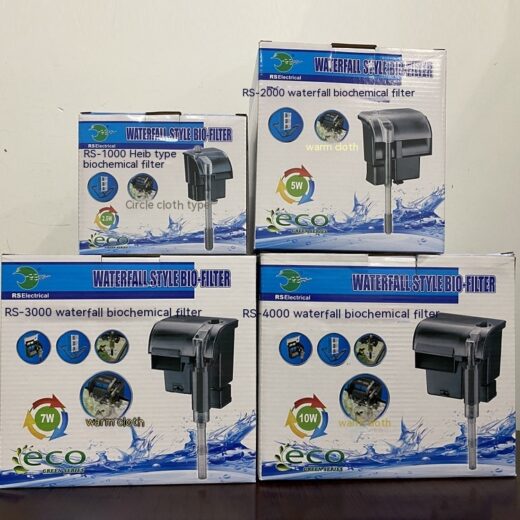
Aquarium Waterfall Bio Filter – RS1000 to RS4000
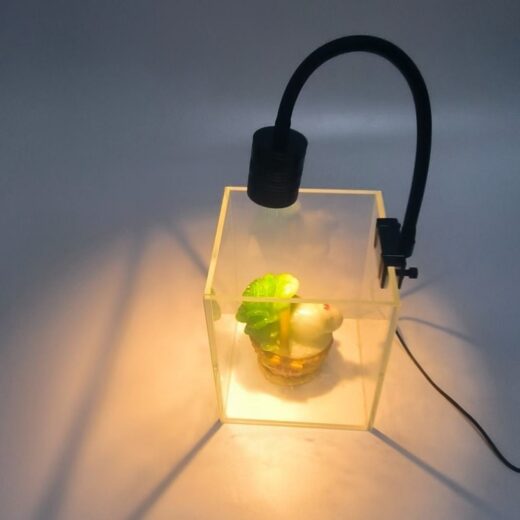
7 W USB Aquarium Plant Spotlight – Standard & Dimmable Models
Products matched to this guide
Selected for relevance to the setup and needs covered above.
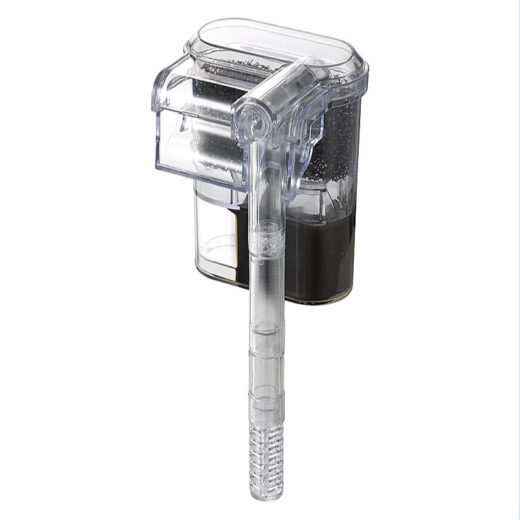
USB Mini Hang-On Waterfall Aquarium Filter
A compact USB-powered hang-on waterfall filter for small aquariums. Its transparent-grey ABS housing keeps the tank…
View product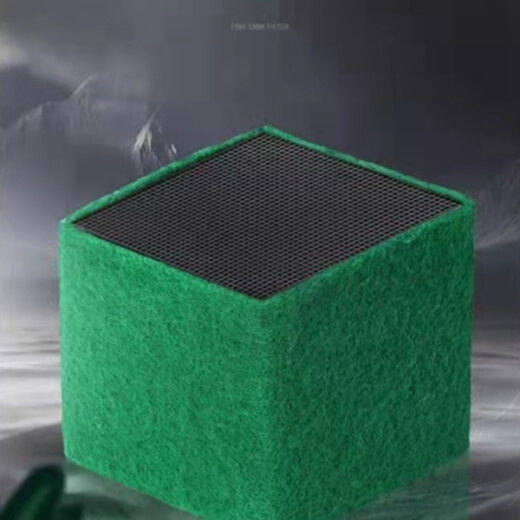
Filter Media Cube – Black/Green, Small/Large, 1–3 Pack
Cube-format aquarium filter media in black or green, small or large, with 1-, 2- and 3-piece…
View product
Aquarium Filter Sponge Pad – 15D, 3 cm Thick
Refresh your filter tray with our layered 15D aquarium filter media pad. Choose from eight sheet…
View product