
How to Feed Aquarium Fish While You Are Away
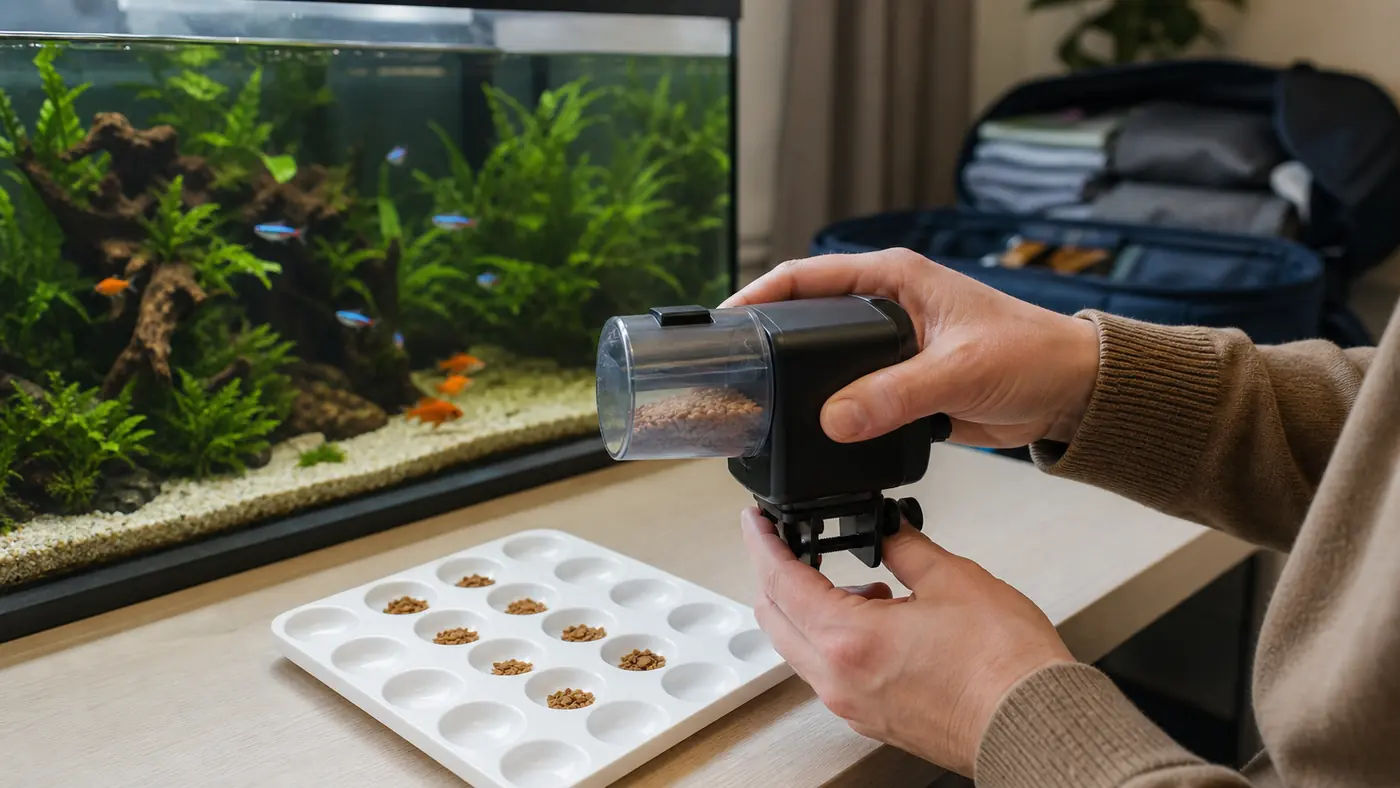
The week before a trip is not the time to redesign an aquarium routine. Fish do best when their environment remains stable, so the safest holiday plan is usually the least dramatic one: maintain the normal diet, avoid unnecessary equipment changes and test every automated step while you are still home. (RSPCA: What to Feed Your Fish)
An automatic feeder can be useful, but it is only one part of the plan. Filters, heaters, pumps and water quality still matter, and no feeder can notice unusual fish behaviour. (RSPCA: What to Feed Your Fish)
Use the checklist below to prepare without rushing.
First, consider the length of the absence
A short weekend and a two-week trip should not automatically use the same solution. The fish species, age, health, tank temperature and established feeding routine also change the decision. (RSPCA: What to Feed Your Fish)
Possible options include:
- a responsible fish sitter using pre-measured portions;
- a tested automatic feeder;
- a combination of automatic feeding and human checks;
- species-appropriate fasting for a limited period, only when supported by reliable care advice;
- a purpose-made holiday food, when appropriate for the fish and aquarium.
Avoid assuming that all healthy adult fish can safely go without food for the same number of days. Fry, small species, fish with specialised diets and animals recovering from illness may need more frequent attention. If you are uncertain, ask an experienced aquatic specialist or veterinarian who can consider the actual livestock. (FAO: Freshwater Fish Feeding Management)
Do not “feed extra” before leaving
Fish cannot store a week of meals because you gave them a large portion on the final evening. Extra food is more likely to remain uneaten, break down and add waste to the aquarium. (University of Florida IFAS: Ammonia in Aquatic Systems)
Keep the normal routine in the days before departure. If the tank is already showing cloudy water, unusual odour, rising waste or stressed fish, solve that problem before relying on automation. (University of Florida IFAS: Ammonia in Aquatic Systems)
Our guide to overfeeding and aquarium water quality explains why a generous-looking portion can create problems long after feeding time.
Choose between a sitter and an automatic feeder
A careful sitter can observe the fish and equipment, but well-meaning helpers often overfeed. The easiest safeguard is to prepare individual portions in labelled containers or a pill organiser. Leave one portion for each scheduled visit and remove the main food container from view. (RSPCA: What to Feed Your Fish)
An automatic feeder is consistent once it has been calibrated, but it cannot respond intelligently when food becomes damp, a battery weakens or the outlet moves. That is why the strongest holiday plan combines a tested feeder with periodic human checks. (RSPCA: What to Feed Your Fish) (EHEIM autofeeder 3581 Operating Manual)
If you are still comparing models, use our automatic fish feeder buyer’s guide before making a choice.
Test the feeder before it reaches the aquarium
Never fill a new feeder, programme it and leave the next morning.
Start by mounting the unit over a tray or sheet of white paper. Use the exact food intended for the trip. Set the smallest practical portion and observe several scheduled releases. The test should answer four questions:
- Does every scheduled feed occur?
- Is the amount reasonably consistent?
- Does the food move freely without clumping?
- Does the feeder retain its programme after normal handling or a power interruption?
Source for the preceding checklist: EHEIM autofeeder 3581 Operating Manual
Run the test for several days if possible. Once the result is predictable, move the feeder to the aquarium and watch where the food lands. Strong surface flow may carry food into an overflow or filter before fish can eat it. (EHEIM autofeeder 3581 Operating Manual)
Follow the complete process in our setup and calibration guide.
Use the fish’s normal food
A holiday is a poor time to introduce an unfamiliar diet. Use a dry food that the fish already accept and that the feeder can dispense consistently. (Merck Veterinary Manual: Nutrition in Fish)
Uniform pellets and granules often flow more predictably than large flakes, but nutrition comes first. If a species needs frozen, live or sinking food that the device cannot handle, an automatic dry-food feeder may not be the right primary solution. (EHEIM autofeeder 3581 Operating Manual)
For help matching food to the dispenser, see flakes, pellets and granules in automatic feeders.
Prepare the aquarium, not just the food
Several days before departure, inspect the complete system:
- confirm that the filter is running normally;
- check the heater and thermometer;
- inspect air pumps and water circulation;
- top up evaporation where appropriate;
- test water parameters according to the aquarium’s established routine;
- check timers for lighting;
- remove dead leaves and obvious debris;
- make sure cables have safe drip loops;
- verify that lids and covers are secure.
Source for the preceding checklist: Merck Veterinary Manual: Providing a Home for Fish
Perform routine maintenance at the usual time. Avoid an unusually large water change, aggressive filter cleaning or major aquascape work immediately before leaving unless there is a genuine problem and enough time to confirm stability afterward. (Merck Veterinary Manual: Providing a Home for Fish)
Control moisture around the feeder
Condensation and spray can make dry food stick together. Mount the feeder away from bubbles, splashing returns and rising moisture where possible. Do not pack the drum tightly unless the instructions specifically allow it. (EHEIM autofeeder 3581 Operating Manual)
Check that the outlet closes or remains protected between feeds. If the model supports ventilation or an air-pump connection, follow the manufacturer’s instructions. Clean food-contact parts and let them dry completely before loading. (EHEIM autofeeder 3581 Operating Manual)
See how to prevent feeder clogs and damp food for a detailed checklist.
Fit fresh power and confirm the programme
For a battery feeder, use fresh, good-quality batteries and confirm the low-battery indicator. For a USB or mains-powered feeder, check the cable, plug and behaviour after a brief disconnection. Do not create an unsafe power arrangement near water. (EHEIM autofeeder 3581 Operating Manual) (U.S. CPSC Home Electrical Safety Checklist)
On the day before departure, watch a complete scheduled feeding. Confirm the time, portion, food landing point and fish response. Photograph the display or settings so the sitter has a reference. (EHEIM autofeeder 3581 Operating Manual)
Leave simple written instructions
A useful instruction sheet should be short enough to read in a minute. Include:
- your contact details;
- the normal appearance and behaviour of the fish;
- when the sitter should visit;
- what to check on the feeder, filter, heater and water level;
- what not to change;
- where emergency equipment is kept;
- the contact details of an aquatic specialist or trusted local shop;
- what deserves an immediate call.
Ask the sitter not to add extra food because the fish “look hungry.” Many fish approach the glass when a person appears; that behaviour does not prove that the programmed portion was insufficient. (Merck Veterinary Manual: Nutrition in Fish)
The final 24-hour checklist
Use this list before you close the door:
- Fish are behaving and eating normally.
- Feeder has completed a successful multi-day test.
- Correct dry food is loaded and moving freely.
- Portion and schedule match the established routine.
- Feeder is securely mounted.
- Fresh batteries or reliable power are in place.
- Filter, heater, air pump and lighting timer work normally.
- A responsible person has instructions and access.
- Emergency contact details are visible.
- No major untested change was made to the aquarium.
A simple 24-hour feeder may support an established daily dry-food routine only after its timing, food compatibility, mounting and power behavior have been verified and supervised.
What to check when you return
Observe the fish before adding food. Check the feeder level, outlet, batteries and mounting position. Look at water clarity, temperature and equipment operation. If the fish appear stressed or the water quality is abnormal, do not try to “make up” missed meals with a large feeding.
Return to the usual routine gradually and investigate any feeder error before using it again.
Frequently asked questions
Can I leave fish with only an automatic feeder?
A feeder can deliver food, but it cannot confirm the health of the fish or the operation of the aquarium. Arrange periodic checks by a responsible person whenever possible. (RSPCA: What to Feed Your Fish)
Are holiday feeding blocks safer than a feeder?
Not automatically. Suitability varies by product, fish and aquarium. Some blocks may affect water quality or may not be eaten evenly. Compare the options rather than treating either one as universally safe. (RSPCA: What to Feed Your Fish)
Should I increase the portion while I am away?
No. Use the tested normal portion. Extra food raises the risk of waste and deteriorating water quality. (University of Florida IFAS: Ammonia in Aquatic Systems)
Can a feeder dispense flakes?
Some can, but large or irregular flakes may dispense inconsistently. Test the exact food repeatedly and keep it dry. (EHEIM autofeeder 3581 Operating Manual)
How early should I prepare?
Start at least several days before a short trip and earlier for an extended absence. The goal is to observe enough complete feeding cycles to trust the setup. (RSPCA: What to Feed Your Fish)
A calm aquarium starts with an ordinary routine
The safest holiday preparation is not a last-minute gadget. It is a stable aquarium, a familiar diet, a carefully tested delivery method and a human backup who knows what normal looks like.
Prepare early, keep the plan simple and leave clear instructions. You will travel with more confidence—and the fish will experience fewer unnecessary changes.
Editor’s source note: Verify absence-feeding advice against current animal-welfare guidance and the needs of the specific species before publication.
Build a reliable automatic-feeding setup
Start with a compatible feeder, then protect the routine with suitable water-care and maintenance equipment.
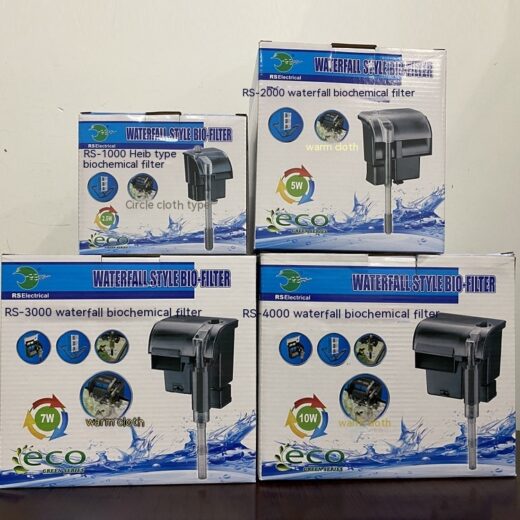
Aquarium Waterfall Bio Filter – RS1000 to RS4000
Products matched to this guide
Selected for relevance to the setup and needs covered above.
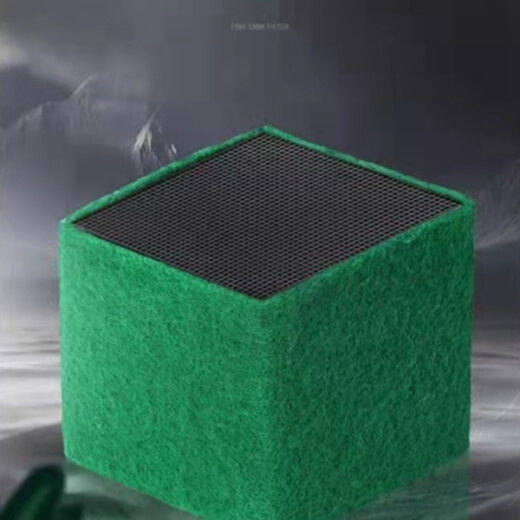
Filter Media Cube – Black/Green, Small/Large, 1–3 Pack
Cube-format aquarium filter media in black or green, small or large, with 1-, 2- and 3-piece…
View product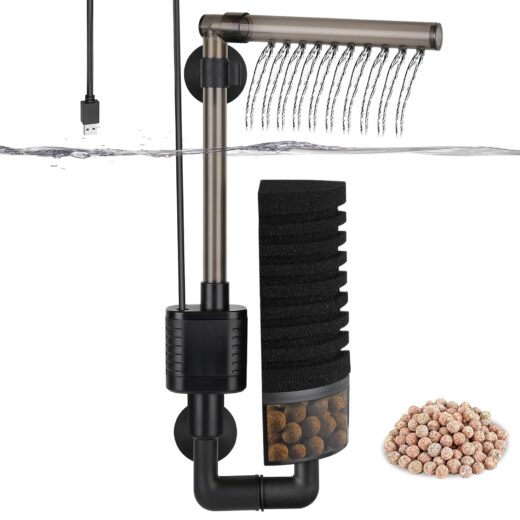
USB Aquarium Sponge Filter with Ceramic Media – Fresh/Saltwater
A compact black USB aquarium filter with two reusable sponges and one bag of ceramic media.…
View product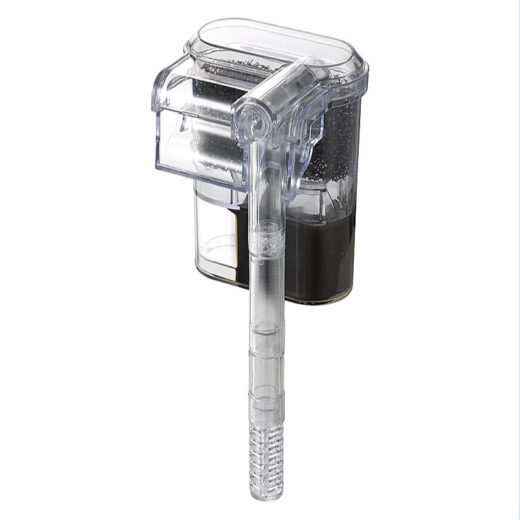
USB Mini Hang-On Waterfall Aquarium Filter
A compact USB-powered hang-on waterfall filter for small aquariums. Its transparent-grey ABS housing keeps the tank…
View product