
Aquarium Carpet Plants: Low-Tech to High-Tech Options
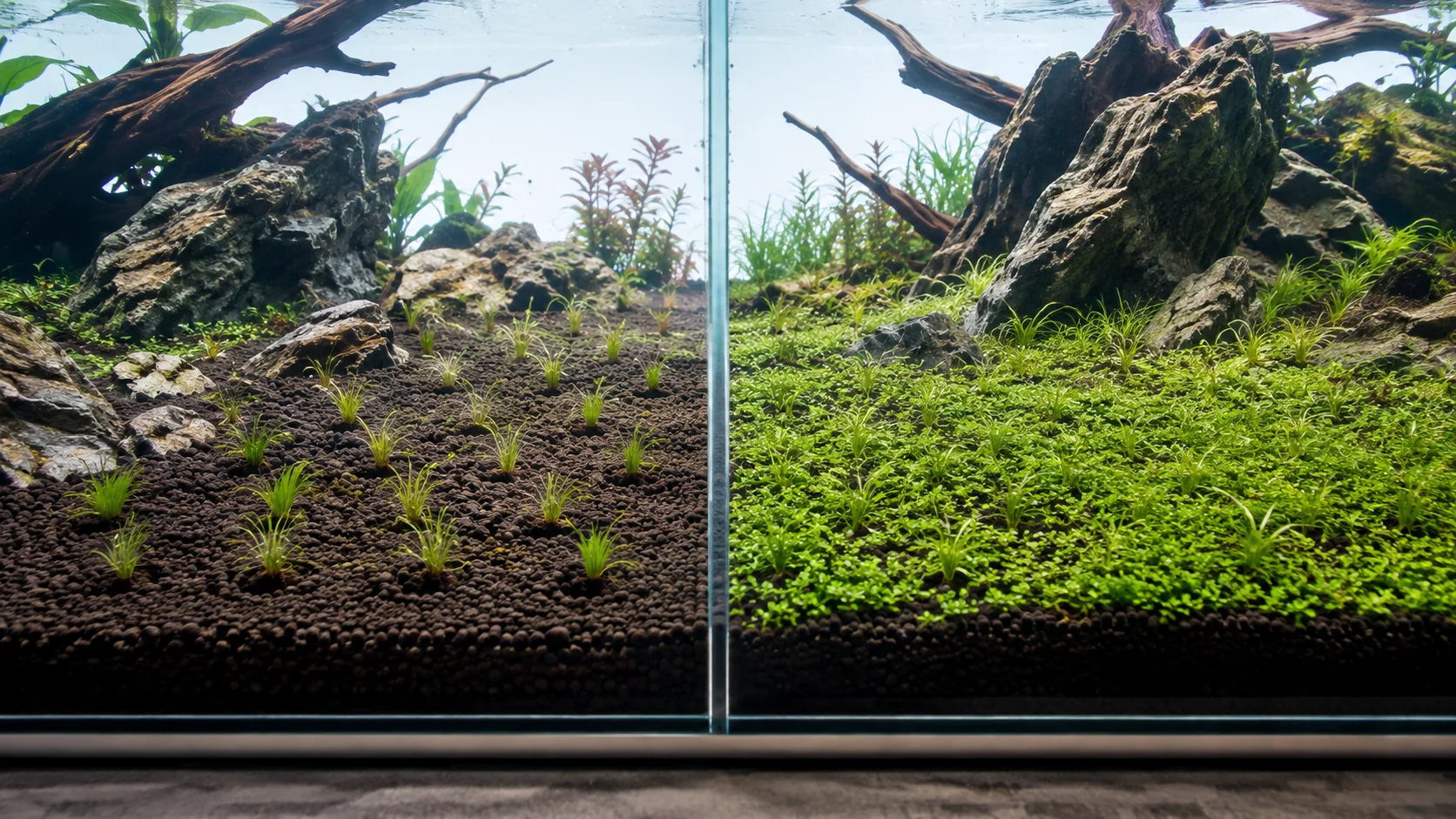
Carpet plants differ sharply in light, carbon, substrate and trimming demand; choose by the complete system rather than the finished photograph.
Define whether the foreground should become a dense lawn, a loose field of runners or a low group between stones, then choose a documented species that fits the aquarium you will maintain.
Decide what “carpet” means in this aquarium
A competition-style lawn is only one option. A scattered foreground can expose sand and stone, give fish more open feeding space and require less frequent trimming. A runner-forming plant may make a natural meadow rather than a perfectly even mat. Write down the intended finish before comparing species:
- dense and uniformly low;
- open and natural, with visible substrate;
- grass-like clumps between hardscape;
- a low transition into taller mid-ground plants.
This choice matters because a plant that remains attractive as an open foreground may be disappointing if the only acceptable result is a sealed, level lawn.
Use botanical names and supplier demand ratings
Common names such as “dwarf carpet” or “baby tears” are not enough to set lighting or CO₂. Confirm the botanical name and the exact form supplied. The examples below show why one generic carpet recipe is unreliable.
| Example to investigate | What the supplier documents | Planning implication |
|---|---|---|
| Marsilea hirsuta | Tropica lists it as an easy carpeting plant that does not require high light intensity. | A candidate for a slower or more open lower-demand foreground; verify its temperature range and expected form with the actual supplier. |
| Micranthemum tweediei ‘Monte Carlo’ | Tropica classifies it as a medium-demand carpet and says good light and added CO₂ produce the most compact growth. | Do not promise a tight lawn if the system cannot provide the documented conditions. |
| Micranthemum callitrichoides ‘Cuba’ | Tropica calls for sufficient light, added CO₂, circulation and fertiliser, with regular trimming. | Reserve it for an aquarium designed and maintained for those demands. |
Sources: Tropica’s plant catalogue, the ‘Monte Carlo’ plant profile and the ‘Cuba’ plant profile.
Check the foreground, not just the lamp
Carpet plants live at the lowest point in the aquarium. Tank depth, floating plants, overhanging hardscape and taller neighbours can reduce the light reaching them even when the lamp specification looks generous. Before increasing intensity, check whether the proposed foreground is shaded and whether the selected plant is meant for that position.
Use the measured water temperature at the warmest and coolest normal periods and compare it with the supplier’s range for the exact plant. This is especially important in UAE and GCC rooms that depend on air conditioning and in UK, German or Dutch homes with strong seasonal heating changes. An “easy” label does not override a temperature mismatch.
Prepare small portions and anchor them correctly
Remove the pot, gel or mineral wool as directed by the plant supplier. Divide the plant into manageable portions rather than placing the whole pot as one plug. ADA’s setup guide prepares foreground plants as small bunches and plants them at an angle to reduce buoyancy; Tropica likewise advises dividing carpeting plants before spacing them across the target area. See ADA’s planting sequence and Tropica’s planting guide.
Plant into a substrate that can hold the chosen species without burying a crown or growing point that should remain exposed. Fill gently so the surface is not hollowed out. If the same portions repeatedly lift, check planting technique, substrate texture, outlet direction and digging livestock before adding more plants.
Plan the mature carpet before it closes
Dense growth changes maintenance. Detritus can settle at substrate level, lower layers can become shaded and runners can cross paths or enter neighbouring plant groups. Leave a route for a small siphon and scissors. Trim and thin according to the species rather than waiting until the entire mat lifts.
Tropica warns that an untrimmed ‘Monte Carlo’ carpet can become too thick and lose lower growth, and gives a similar warning for ‘Cuba’. These are plant-specific maintenance signals, not a reason to cut every foreground on the same schedule.
Troubleshoot the growth pattern
| What you see | What to check first |
|---|---|
| Growth rises rather than spreading | Species identity, shading at substrate level and whether the supplier expects compact growth under the current light and CO₂ plan |
| New portions keep floating up | Portion size, planting angle, substrate grip, local flow and livestock that digs |
| The top looks healthy but the lower layer loses grip | Excess mat thickness, trapped debris and the supplier’s trimming method |
| Algae or waste collects across the foreground | Cleaning access, local circulation, overfeeding and whether the carpet is too dense to service |
| Coverage stops at a shaded edge | Hardscape shadow and whether an open foreground would be more suitable than forcing uniform coverage |
Avoid treating all of these patterns by simply increasing light. The cause may be physical anchoring, plant identity, shade, maintenance access or a mismatch between the intended lawn and the chosen species.
Related plant and layout guides
- Aquarium plants guide
- Planning substrate depth and slopes
- Epiphytes for rock and wood
- Lower-demand plants for warm indoor conditions
- Planning a shrimp-conscious planted tank
Build a planted aquascape starter kit
Begin with a simple layout foundation, then choose lighting and maintenance tools that match the plants and available space.
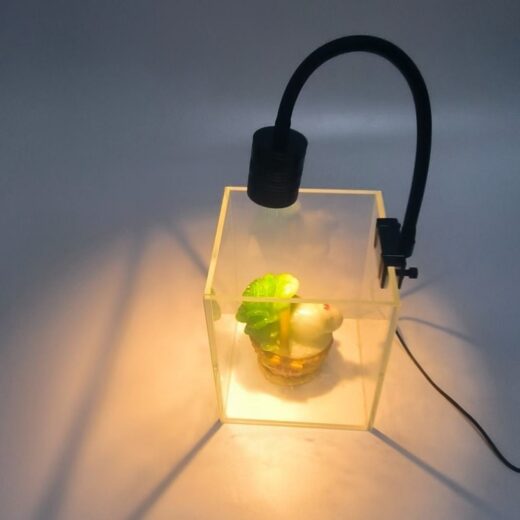
7 W USB Aquarium Plant Spotlight – Standard & Dimmable Models
Products matched to this guide
Selected for relevance to the setup and needs covered above.
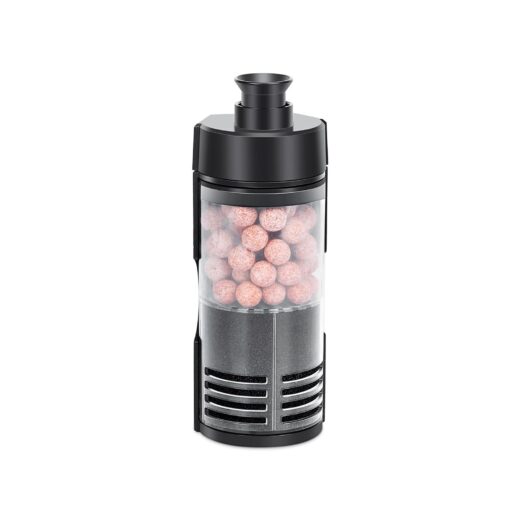
Bio Sponge Filter for Betta, Shrimp & Fry – 2–20 Gallons
Bring sponge and ceramic-media filtration together in a compact, air-driven filter. Choose Small for 2–5-gallon aquariums…
View product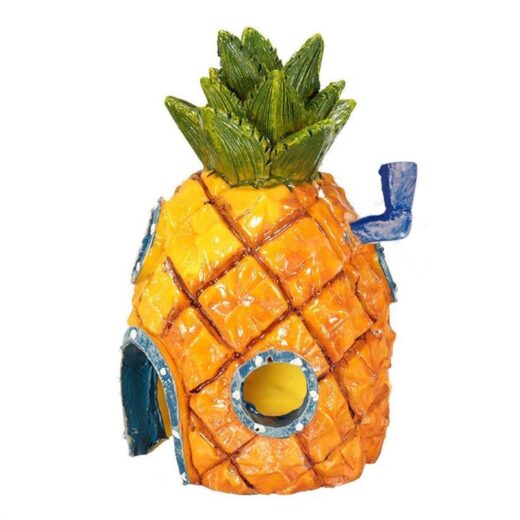
Pineapple House Aquarium Decoration – Resin 13 cm
A playful pineapple-house ornament made from resin. The compact design measures approximately 7.5 × 7.5 ×…
View product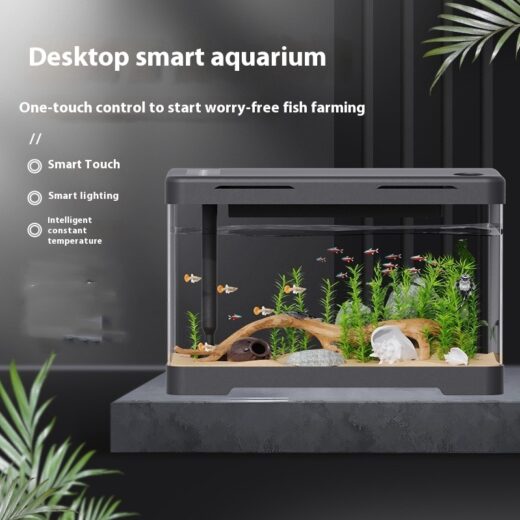
Transparent Acrylic Desktop Fish Tank – 300–450 Models
A compact transparent acrylic fish tank with classic-black trim, offered in 300, 350, 400 and 450…
View product